“Creativity is a paradigmatically human trait. It is valued by humans only insofar as it is a value for humans. We cannot lose sight of this if we want to responsibly harness the power of Artificial Intelligence to support and enhance human creativity.”
Dr Caterina Moruzzi, Creativity, AI, and the Human Cluster Lead
Creativity is a force for transformation, innovation, expression, and adaptation. The recent accelerated development of generative AI technologies is raising both fascination and concerns regarding its impact on the creative process and the broader creative ecosystem.
The “Creativity, AI, and the Human” cluster recognises the ubiquity of creativity in human experience and its central role in navigating the unpredictability of our futures. Leveraging the broad range of expertise and vision of its members, the cluster explores ways in which we, as a community, can guide the development of AI in a way that furthers its opportunity of empowering human creativity, at the same time mitigating its challenges.
Meet our researchers






Beth Tianxin Xia

Caroline Parkinson
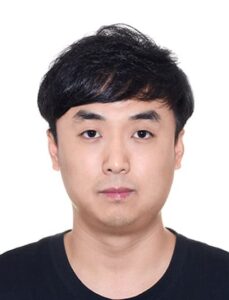
Chen Zao
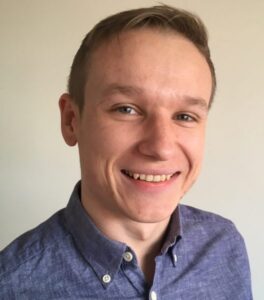
Chris Elsden

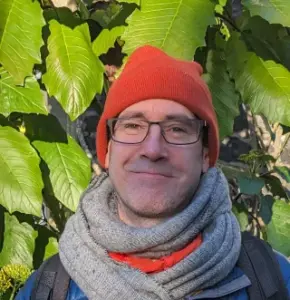
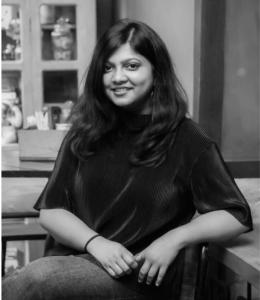

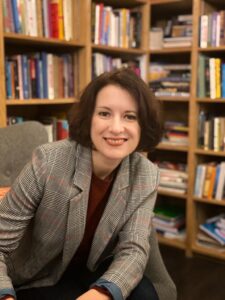

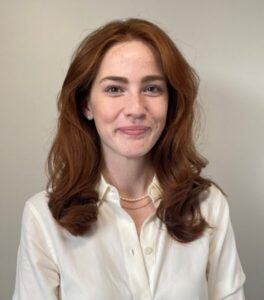
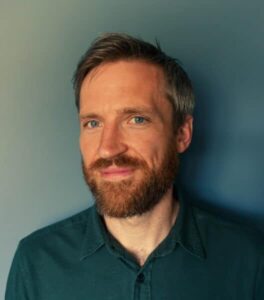
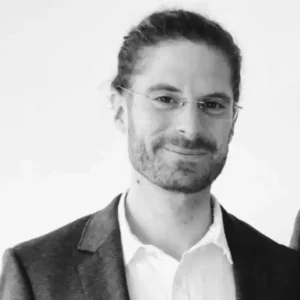
Gavin Leuzzi


Javier Tejera


Lily Boyington
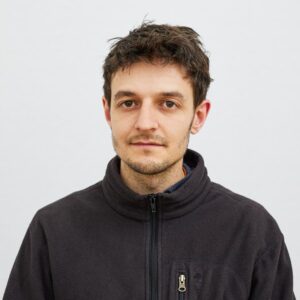
Maddy Burgoyne

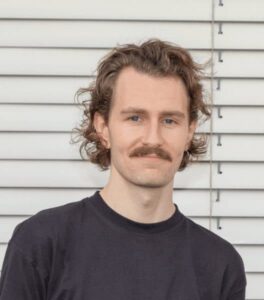
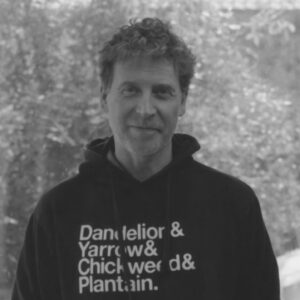
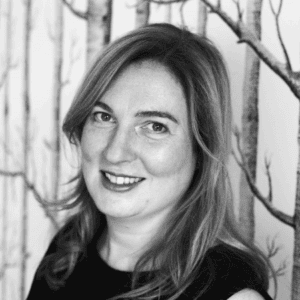



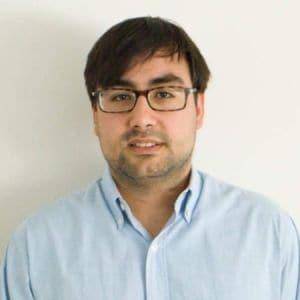
Sarah Immel

Siddharth Biswas
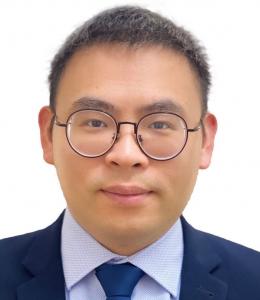
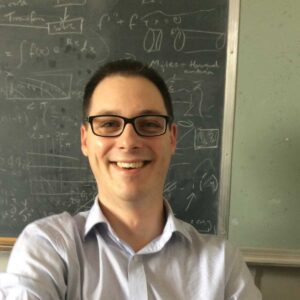


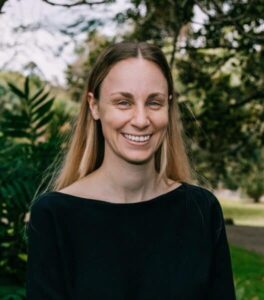
Theories and practices of creativity
Gavin Leuzzi
Sarah Immel
AI in creative domains
Caroline Parkinson
Chris Elsden
Gavin Leuzzi
Javier Tejera
Sarah Immel
Human-centred and social dimensions of AI
Chris Elsden
AI ethics, responsibility, and governance
Chris Elsden
Gavin Leuzzi
AI in knowledge and learning contexts
Javier Tejera
Our external researchers
Special interest groups
Check the events and meetings section below for upcoming special interest group meetings.
This group focusses on the gaps between the values, processes, and needs of creative practitioners and the assumptions driving the development of creative technologies–particularly generative AI systems, which many creatives find to be un- or even degenerative to their processes and livelihoods. We aim to support research across creative domains that investigates this divide or seeks to bridge it, with an emphasis on participatory and practice-based approaches. Through workshops, resource sharing, and opportunities for collaboration, we’ll connect acts of AI resistance and repair across creative domains. What might writing technology designers learn from photographers’ responses to AI, or animation from the performing arts? We consider that the devaluation of creative labour currently being framed as the “democratization of art” occurs across domains, and our responses as researchers and practitioners should, too.
Special Interest Group lead:
Sarah Immel
s.immel@ed.ac.uk
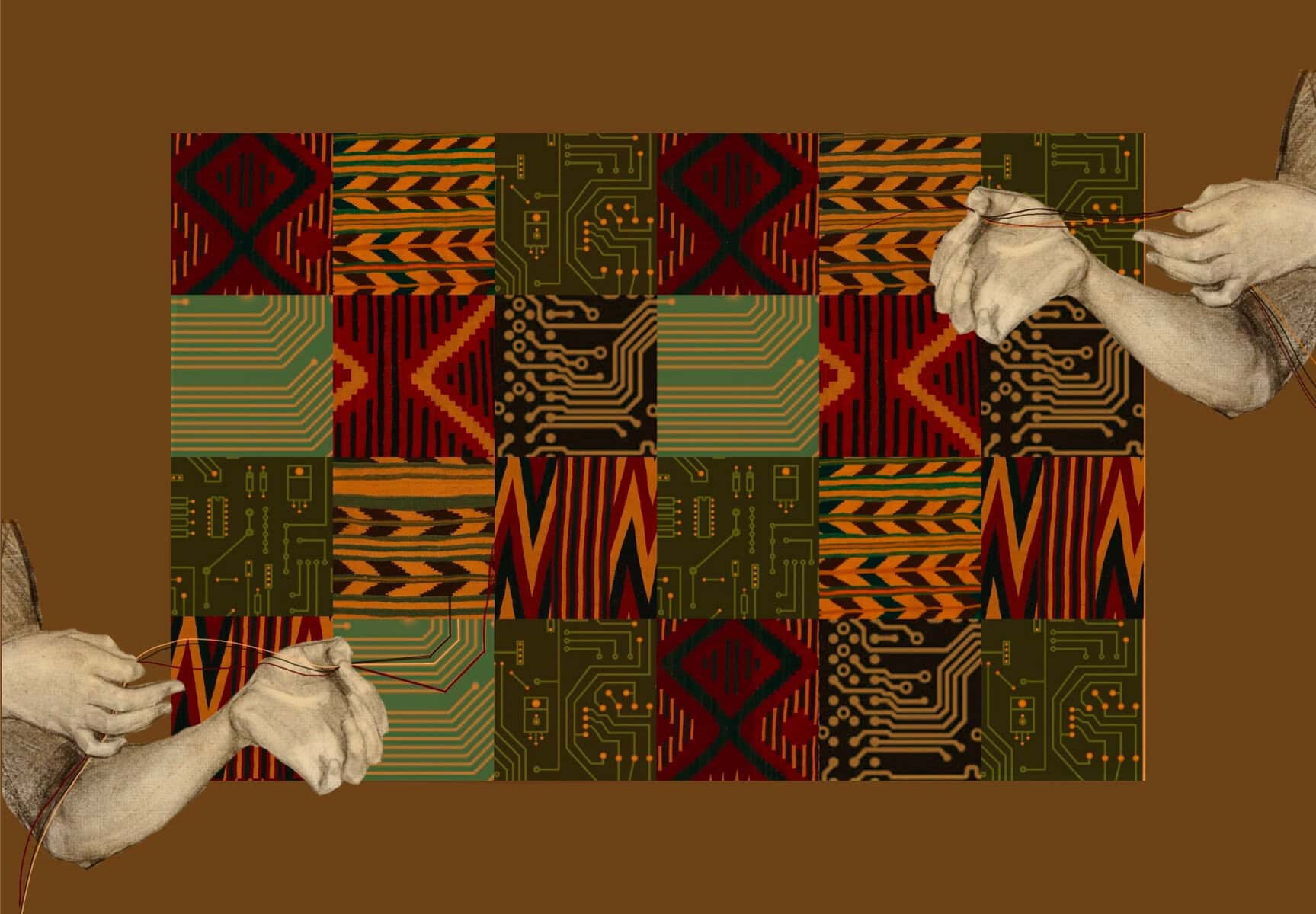
This Special Interest Group (SIG) serves as an interdisciplinary forum for exploring how digital platforms can embed safety, accountability, and content integrity directly into their technical architecture. As generative AI and automated systems redefine online ecosystems, traditional, post-hoc regulatory approaches are no longer sufficient. This group shifts the approach by facilitating discourse toward pre-emptive, “Safety by Design” frameworks. The SIG examines the operational and technical mechanisms required to build trustworthy platforms. Core themes for this include: Digital Provenance and Watermarking, Labelling and Transparency, and Automated Moderation Infrastructure.
Special Interest Group lead:
Shruti Singhi
S.Singhi@sms.ed.ac.uk
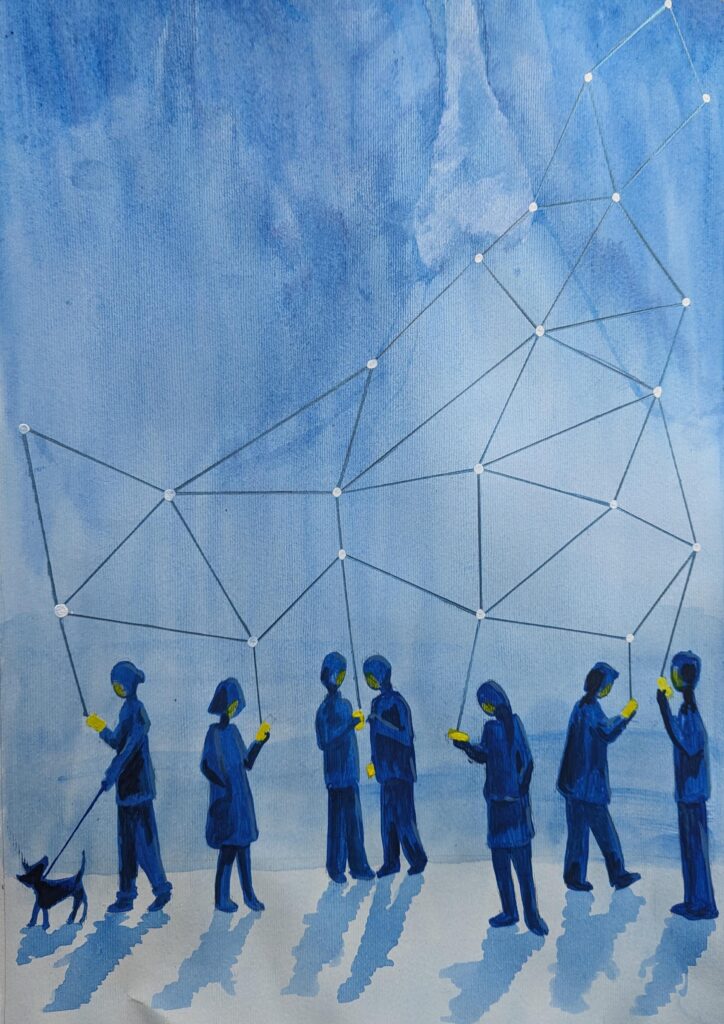
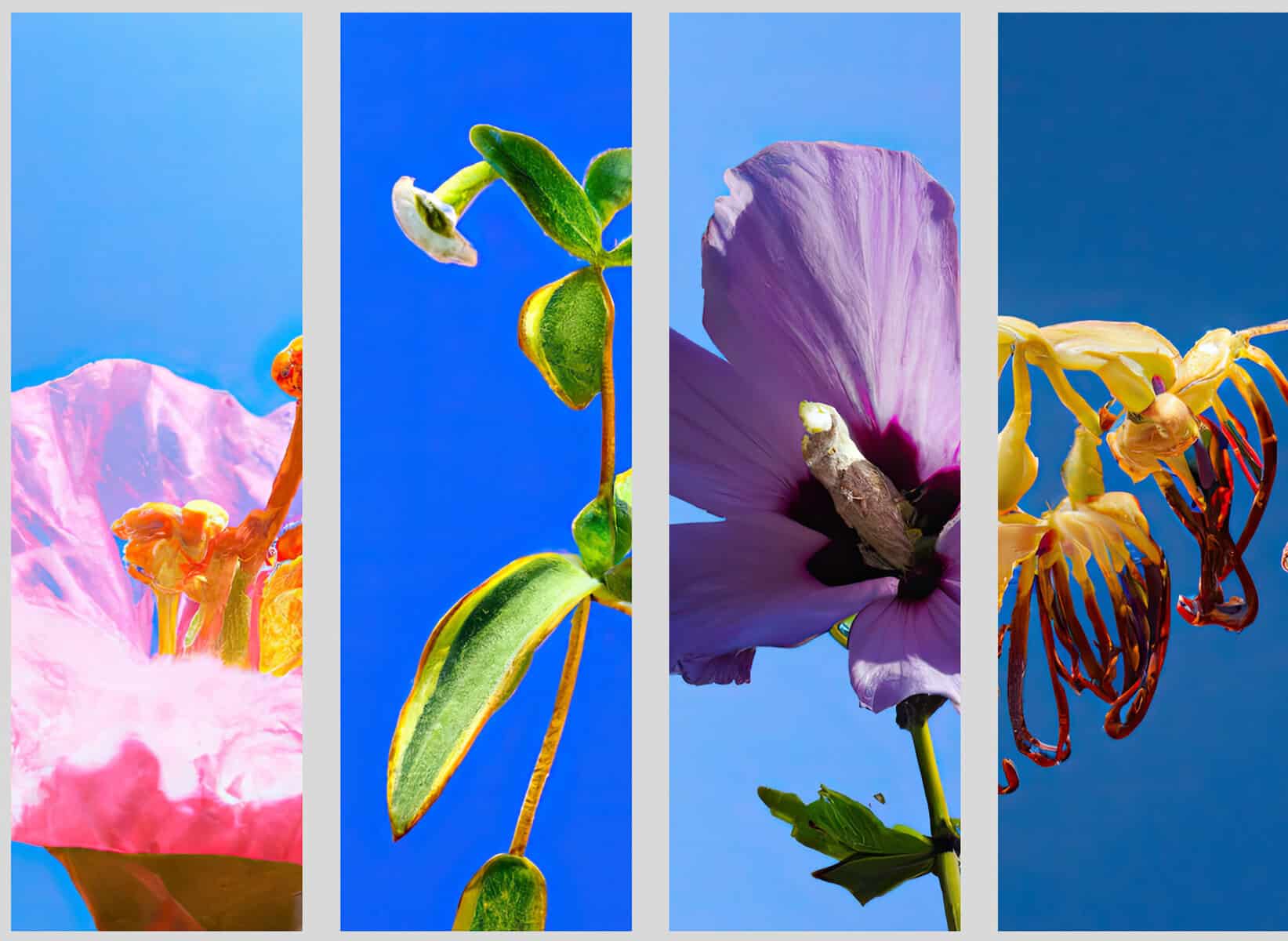
The premise of this special interest group is to promote art as a form of knowledge generation. We are interested in interrogating the intersection of “creativity, AI, and the human” using creative practice as a methodology. This includes using CPR methods to convey the highly embodied and interpretive nature of creative practice to a primarily “AI audience” or using CPR techniques to critique AI systems (e.g., critical AI Art). Outcomes of this engagement can include research publications, exhibits, or formats that have not been conceptualized yet. If interested, please join us as we apply CPR to the heart of research (its methods)!
Special Interest Group leads:
Alayt Issak
issak.a@northeastern.edu
Saoirse Houtmeyers
S.J.Houtmeyers@sms.ed.ac.uk
Events
Share & connect
Monthly hybrid sessions to share work in progress and new initiatives. These meetings are an opportunity to learn more about the exciting projects that cluster members are involved in. Each session, a few cluster members share what they are working on. Get in touch if you would like to be invited to take part in these sessions!
Upcoming events and workshops will be posted here.

Updates

Related programmes
Study across the University of Edinburgh:
Postgraduate Programmes:
Postgraduate Courses:
- Art and Digital Culture
- Design for interactive media
- Game Design Studio
- Internet, Society and Economy
Undergraduate Courses: