

Epistemic Injustice and Mental Health System Survivor Knowledge
27th March 10:00 AM – 11:00 AM GMT
A seminar on epistemic injustice and mental health, led by Tamsin Oudney Walker and Sarah Golightley
This session will draw on theories of epistemic injustice and Tamsin’s PhD research to outline some of the difficulties survivors of the mental health system can face when trying to articulate their experiences and/or to share this with others.
Tamsin will then cover some of the ways survivors have responded to these challenges, identifying the resources survivors use to make sense of and communicate experience and how those can vary in relation to neurological or psychological differences.
The session will conclude by thinking about what can build or diminish survivors’ confidence in their ability to make sense of experience and how we can create supportive contexts for the sharing of survivor knowledge and experience.
Tamsin and Sarah will then be available for questions and discussion.
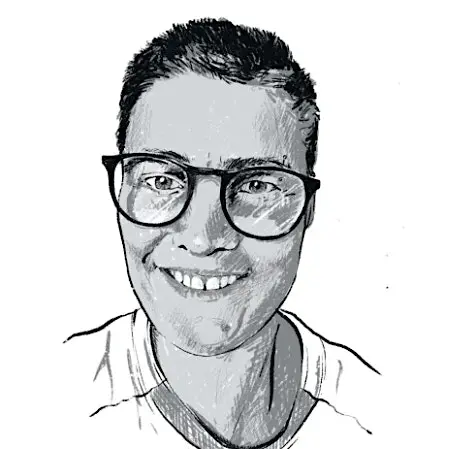
Tamsin Oudney Walker recently completed her PhD about survivors of the mental health system, epistemic injustice and zines, at the University of Lancashire. This work was part of a wider project exploring mental health related zines: madzines.org funded by Wellcome Trust.
Prior to this she worked in voluntary sector mental health services for over twenty years, providing direct support, developing and managing services and doing a lot of work around involvement and survivor voice. She also has experience of using services and of working as a freelance illustrator and author (Not My Shame, Singing Dragon; Otis Doesn’t scratch, PCCS books; Not ready Yet, Only Women Press).
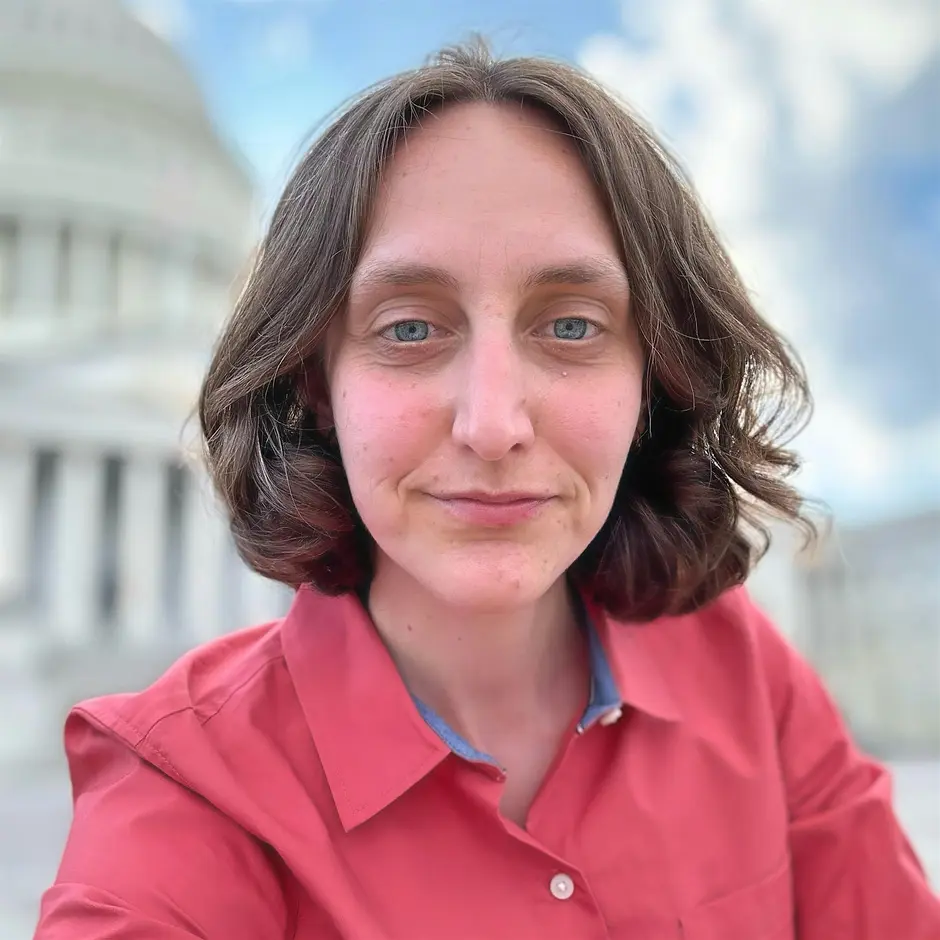
Sarah Golightley’s research, teaching, and social work practice have focused on supporting marginalised people who have experienced violence. She is passionate about uplifting the perspectives of service users/survivors/lived experience experts and challenging the power inequalities in who is listened to in social research and social work practice. Her present research focus is on institutional violence and the pathologisation of youth in the USA ‘troubled teen industry’.
Prior to moving into academia, Sarah worked with LGBTQ+ victims/survivors of domestic abuse and LGBTQ+ homeless youth. She is currently conducting the Canadian Therapeutic Boarding School Research Study.