Your next steps
Congratulations, you’ve received an offer to study at Edinburgh Futures Institute, where innovative, interdisciplinary learning is at the heart of everything we do. We really hope you’ll join us in September.
Your information
Choosing what and where to study is a big decision, and we’re here to support you at every stage. Our digital hub brings together useful information to help you explore your options and prepare for studying with us.
Make sure you read your offer carefully and follow the instructions on how to accept using the Applicant Hub.
Accept your offerExplore your degree
We offer a radically interdisciplinary approach to postgraduate study. Explore what you will learn on your programme.
MSc Circular Economy
On campus | Full-time
Gain skills and develop knowledge of the circular economy in order to support communities, businesses, and policymakers to create a more sustainable and equitable future.

Dr Lucy Wishart is a Lecturer in Circular Economy and Sustainable Transformation in the School of Geosciences.

“This programme is for those who are ready to disrupt the status quo and rethink how we design, make, and use resources in the world, in all industries. We bring together creative, pioneering, and analytical minds from across the globe who are looking for a truly interdisciplinary experience.”
Lucy Wishart, Programme Director, Circular Economy
Across your programme, you will study a range of courses to complete 180 credits, including the following:
- One programme core courses that will provide essential knowledge and skills specific to your area of study
- Two courses from our EFI Skills and Methods Suite, focused on building practical skills
- Three option courses (two of which must be from within your programme’s optional course collection)
- An individual research project which includes a Knowledge Integration and Project Planning course, followed by your own Futures Project
You can now view the details of your programme and the courses within it for the 2026-27 academic year.
Explore your degree in detailPlease note:
- We’ll be in touch again in August with information on how to sign up for course choices.
- Programme and course details are reviewed regularly and may be updated, modified or withdrawn. Please read the student terms and conditions for more information.
Teaching at Edinburgh Futures Institute is designed to be immersive, applied and collaborative.
The academic year is structured to support focused, in-depth learning. In the first part of each semester, you will focus on your programme’s core courses. Later in the semester, you will take an elective course, giving you the opportunity to broaden your learning and explore new interests.
Alongside these courses, you will take part in the EFI Skills and Methods Suite throughout the semester. This develops the skills needed to understand and apply knowledge across disciplines, including working with quantitative, qualitative and text-based data, critically evaluating evidence, and exploring how insights can be translated into real-world contexts and future scenarios.
Group work is a core part of the learning experience. You will work with students from different backgrounds to explore complex, real-world challenges, building skills in teamwork, communication and problem-solving.
While new online pathways are not available for 2026 entry, a small number of continuing students are completing their studies remotely. This means that in some sessions you may learn alongside online participants as part of our “fusion teaching” model, designed to ensure all students can contribute and benefit from shared perspectives.
As the climate crisis intensifies, governments, industries and organisations are seeking specialists with circular economy expertise to help build a more regenerative, less resource-intensive future.
Through option courses and flexible assessments, you’ll shape your own learning journey and gain the skills to thrive in this growing field.
Circular economy strategies are being adopted by multinational corporations, public bodies and local enterprises alike. By the time you graduate, you’ll be ready to contribute to circular projects across sectors and scales.
MSc Creative Industries
On campus | Full-time
Work directly with the world-class creative and cultural industries in Edinburgh, as you bring together cross-disciplinary expertise in data analytics, creative thinking, business and law to understand and address the complex challenges faced by this vital sector.

Michele Piazzai is a Senior Lecturer in Creative Industries in the University of Edinburgh Business School.
Find out more“One of the most exciting and distinctive aspects of the Creative Industries programme is our partnering with cultural and creative organisations on live case studies to solve real world challenges so that students are able to develop their leadership and collaborative skills”
Michele Piazzai , Programme Director, Creative Industries
Across your programme, you will study a range of courses to complete 180 credits, including the following:
- Two programme core courses that will provide essential knowledge and skills specific to your area of study
- Two courses from our EFI Skills and Methods Suite, focused on building practical skills
- Two option courses (one of which must be from within your programme’s optional course collection)
- An individual research project which includes a Knowledge Integration and Project Planning course, followed by your own Futures Project
You can now view the details of your programme and the courses within it for the 2026-27 academic year.
Explore your degree in detailPlease note:
- We’ll be in touch again in August with information on how to sign up for course choices.
- Programme and course details are reviewed regularly and may be updated, modified or withdrawn. Please read the student terms and conditions for more information.
Teaching at Edinburgh Futures Institute is designed to be immersive, applied and collaborative.
The academic year is structured to support focused, in-depth learning. In the first part of each semester, you will focus on your programme’s core courses. Later in the semester, you will take an elective course, giving you the opportunity to broaden your learning and explore new interests.
Alongside these courses, you will take part in the EFI Skills and Methods Suite throughout the semester. This develops the skills needed to understand and apply knowledge across disciplines, including working with quantitative, qualitative and text-based data, critically evaluating evidence, and exploring how insights can be translated into real-world contexts and future scenarios.
Group work is a core part of the learning experience. You will work with students from different backgrounds to explore complex, real-world challenges, building skills in teamwork, communication and problem-solving.
While new online pathways are not available for 2026 entry, a small number of continuing students are completing their studies remotely. This means that in some sessions you may learn alongside online participants as part of our “fusion teaching” model, designed to ensure all students can contribute and benefit from shared perspectives.
Our distinctive postgraduate programmes and interdisciplinary approach benefit graduates in a number of ways that support future employability and development.
The Creative Industries programme provides core knowledge and ability – for example in marketing, digital strategy and consumer and audience engagement – that you will be able to apply to real, live challenges faced by the cultural sector.
It will prepare you to take up leadership and management roles in a variety of creative and cultural sectors such as:
- the creative industries
- arts management
- cultural heritage
- cultural tourism
For mid-career professionals, the programme offers the opportunity to expand, deepen and apply knowledge to new contexts, strengthening existing skills and developing new approaches which can be applied in professional work.
The core elements of the programme address the data and higher-order skills we know are important for the future of work, confident and critical citizenship, and a thriving, just society.
MSc Cultural Heritage Futures
On campus | Full-time
The Cultural Heritage Futures MSc programme has been designed to shape the future of the heritage sector. Through this interdisciplinary and challenge-driven programme, you will become a creative heritage professional committed to data-informed innovation with social purpose.

Dr Arturo Rey da Silva is a Lecturer in Cultural Heritage; a maritime archaeologist and heritage researcher in the School of History, Classics and Archaeology.

“Our degree draws from world-leading expertise in cultural heritage futures and offers students the possibility to connect with the Heritage Minds Lab. The Lab investigates new, data-rich approaches to heritage research and practice and explores how encounters with the past shape contemporary values, decision-making and future-thinking in an increasingly digital world.”
Dr Arturo Rey da Silva, Programme Director, Cultural Heritage Futures
Across your programme, you will study a range of courses to complete 180 credits, including the following:
- Two programme core courses that will provide essential knowledge and skills specific to your area of study
- Two courses from our EFI Skills and Methods Suite, focused on building practical skills
- Two option courses (one of which must be from within your programme’s optional course collection)
- An individual research project which includes a Knowledge Integration and Project Planning course, followed by your own Futures Project
You can now view the details of your programme and the courses within it for the 2026-27 academic year.
Explore your degree in detailPlease note:
- We’ll be in touch again in August with information on how to sign up for course choices.
- Programme and course details are reviewed regularly and may be updated, modified or withdrawn. Please read the student terms and conditions for more information.
Teaching at Edinburgh Futures Institute is designed to be immersive, applied and collaborative.
The academic year is structured to support focused, in-depth learning. In the first part of each semester, you will focus on your programme’s core courses. Later in the semester, you will take an elective course, giving you the opportunity to broaden your learning and explore new interests.
Alongside these courses, you will take part in the EFI Skills and Methods Suite throughout the semester. This develops the skills needed to understand and apply knowledge across disciplines, including working with quantitative, qualitative and text-based data, critically evaluating evidence, and exploring how insights can be translated into real-world contexts and future scenarios.
Group work is a core part of the learning experience. You will work with students from different backgrounds to explore complex, real-world challenges, building skills in teamwork, communication and problem-solving.
While new online pathways are not available for 2026 entry, a small number of continuing students are completing their studies remotely. This means that in some sessions you may learn alongside online participants as part of our “fusion teaching” model, designed to ensure all students can contribute and benefit from shared perspectives.
The MSc Cultural Heritage Futures equips you with the knowledge and skills to take your next step; whether that’s pursuing a PhD in Heritage or related fields, or moving directly into professional roles across the heritage and cultural sectors. You will graduate ready to work in private consultancy or as an officer, researcher, or manager for local, national, and international organisations.
Career pathways may include roles such as:
- heritage governance
- interpretation, public engagement and outreach
- digital curation, digital policy
- conservation policy, and policy research and evaluation
- Potential employers may include:
- universities and research organisations
- national and international heritage management agencies
- heritage sites and museums
- archives and libraries
- archaeological units
- cultural and social policy consultancies and charities (e.g. NESTA)
- local and national governments
MSc Data and Artificial Intelligence Ethics
On campus | Full-time
This programme responds to the urgent demand for interdisciplinary expertise in the ethical design, use and governance of artificial intelligence (AI) and other data-intensive technologies.

Milo Phillips-Brown is a Lecturer in the Philosophy of Technology at the University of Edinburgh. He works on the ethics of automated decision-making (in what ways are algorithmic systems discriminatory? are they noisy decision-makers?) and the general connections between values and technology.

“Our interdisciplinary degree draws from the University’s world-leading expertise in the ethics of data and AI. It leverages the research power of the Futures Institute’s Centre for Technomoral Futures, which promotes sustainable, just and responsible technology and meets the growing demand for ethical skills in the AI and data workforce.”
Milo Phillips-Brown, Programme Director, Data and Artifical Intelligence Ethics
Across your programme, you will study a range of courses to complete 180 credits, including the following:
- Two programme core courses that will provide essential knowledge and skills specific to your area of study
- Two courses from our EFI Skills and Methods Suite, focused on building practical skills
- Two option courses (one of which must be from within your programme’s optional course collection)
- An individual research project which includes a Knowledge Integration and Project Planning course, followed by your own Futures Project
You can now view the details of your programme and the courses within it for the 2026-27 academic year.
Explore your degree in detailPlease note:
- We’ll be in touch again in August with information on how to sign up for course choices.
- Programme and course details are reviewed regularly and may be updated, modified or withdrawn. Please read the student terms and conditions for more information.
Teaching at Edinburgh Futures Institute is designed to be immersive, applied and collaborative.
The academic year is structured to support focused, in-depth learning. In the first part of each semester, you will focus on your programme’s core courses. Later in the semester, you will take an elective course, giving you the opportunity to broaden your learning and explore new interests.
Alongside these courses, you will take part in the EFI Skills and Methods Suite throughout the semester. This develops the skills needed to understand and apply knowledge across disciplines, including working with quantitative, qualitative and text-based data, critically evaluating evidence, and exploring how insights can be translated into real-world contexts and future scenarios.
Group work is a core part of the learning experience. You will work with students from different backgrounds to explore complex, real-world challenges, building skills in teamwork, communication and problem-solving.
While new online pathways are not available for 2026 entry, a small number of continuing students are completing their studies remotely. This means that in some sessions you may learn alongside online participants as part of our “fusion teaching” model, designed to ensure all students can contribute and benefit from shared perspectives.
Our distinctive postgraduate programmes and interdisciplinary approach benefit graduates in a number of ways that support future employability and development.
The Creative Industries programme provides core knowledge and ability – for example in marketing, digital strategy and consumer and audience engagement – that you will be able to apply to real, live challenges faced by the cultural sector.
It will prepare you to take up leadership and management roles in a variety of creative and cultural sectors such as:
- the creative industries
- arts management
- cultural heritage
- cultural tourism
For mid-career professionals, the programme offers the opportunity to expand, deepen and apply knowledge to new contexts, strengthening existing skills and developing new approaches which can be applied in professional work.
The core elements of the programme address the data and higher-order skills we know are important for the future of work, confident and critical citizenship, and a thriving, just society.
MSc Data, Inequality and Society
On campus | Full-time
This innovative MSc programme from Edinburgh Futures Institute brings advanced, cross-disciplinary knowledge together with insights from sector leaders and experts who are committed to building inclusive and equitable global societies.

Dr Ian Russell is a Lecturer in African Studies and International Development in the School of Social and Political Science.

“In this programme we explore how data relations are fundamentally power relations. Asking: who gets to decide what metrics and forms of data collection are used? Whose data is collected and why? Who is excluded or misrepresented?”
Ian Russell, Programme Director, Data, Inequality and Society
Across your programme, you will study a range of courses to complete 180 credits, including the following:
- Two programme core courses that will provide essential knowledge and skills specific to your area of study
- Two courses from our EFI Skills and Methods Suite, focused on building practical skills
- Two option courses (one of which must be from within your programme’s optional course collection)
- An individual research project which includes a Knowledge Integration and Project Planning course, followed by your own Futures Project
You can now view the details of your programme and the courses within it for the 2026-27 academic year.
Explore your degree in detailPlease note:
- We’ll be in touch again in August with information on how to sign up for course choices.
- Programme and course details are reviewed regularly and may be updated, modified or withdrawn. Please read the student terms and conditions for more information.
Teaching at Edinburgh Futures Institute is designed to be immersive, applied and collaborative.
The academic year is structured to support focused, in-depth learning. In the first part of each semester, you will focus on your programme’s core courses. Later in the semester, you will take an elective course, giving you the opportunity to broaden your learning and explore new interests.
Alongside these courses, you will take part in the EFI Skills and Methods Suite throughout the semester. This develops the skills needed to understand and apply knowledge across disciplines, including working with quantitative, qualitative and text-based data, critically evaluating evidence, and exploring how insights can be translated into real-world contexts and future scenarios.
Group work is a core part of the learning experience. You will work with students from different backgrounds to explore complex, real-world challenges, building skills in teamwork, communication and problem-solving.
While new online pathways are not available for 2026 entry, a small number of continuing students are completing their studies remotely. This means that in some sessions you may learn alongside online participants as part of our “fusion teaching” model, designed to ensure all students can contribute and benefit from shared perspectives.
All students will develop a solid understanding of data-driven decision-making in projects of inclusion and development in a broad range of contexts. Graduates will possess the analytic, research, and creative skills to approach challenges in new, robust, and data-informed ways.
Graduates will be well positioned to enter the job market as vital “translators”, bridging the gap between data scientists and decision-makers at strategic or operational levels. Potential roles include project, programme and policy advisers, analysts, and coordinators across the private, public and third sectors.
For experienced professionals, the programme offers a platform for career progression or transition into leadership roles in projects with a strong data and/or inclusion focus.
The core elements of the programme address the data and higher-order skills we know are important for the future of work, confident and critical citizenship, and a thriving, just society.
MSc Education Futures
On campus | Full-time
Education, in all its forms, is essential to a thriving society. How organisations, systems and people learn and change profoundly affects our lives, our surroundings and our futures. This MSc is a bold and innovative programme for those who wish to engage critically with educational possibilities for the future, and understand how educational knowledge, organisations, spaces and relationships can positively shape societies.

Dr Seongsook Choi, is a Senior Lecturer and Head of the Institute of Education, Community and Society in the Moray House School of Education and Sport.

Professor Jen Ross is Personal Chair of Digital Culture and Education Futures, co-director of the Centre for Research in Digital Education, and Associate Dean (Research Cultures) in the College of Arts, Humanities and Social Sciences.

“On this programme we are really thinking about how education is shaped by society and politics, by culture, by climate crisis, by all kinds of factors that mean that education will look quite different in the future than it does now.”
Dr Seongsook Choi, Programme Director, Education Futures
Across your programme, you will study a range of courses to complete 180 credits, including the following:
- Two programme core courses that will provide essential knowledge and skills specific to your area of study
- Two courses from our EFI Skills and Methods Suite, focused on building practical skills
- Two option courses (one of which must be from within your programme’s optional course collection)
- An individual research project which includes a Knowledge Integration and Project Planning course, followed by your own Futures Project
You can now view the details of your programme and the courses within it for the 2026-27 academic year.
Explore your degree in detailPlease note:
- We’ll be in touch again in August with information on how to sign up for course choices.
- Programme and course details are reviewed regularly and may be updated, modified or withdrawn. Please read the student terms and conditions for more information.
Teaching at Edinburgh Futures Institute is designed to be immersive, applied and collaborative.
The academic year is structured to support focused, in-depth learning. In the first part of each semester, you will focus on your programme’s core courses. Later in the semester, you will take an elective course, giving you the opportunity to broaden your learning and explore new interests.
Alongside these courses, you will take part in the EFI Skills and Methods Suite throughout the semester. This develops the skills needed to understand and apply knowledge across disciplines, including working with quantitative, qualitative and text-based data, critically evaluating evidence, and exploring how insights can be translated into real-world contexts and future scenarios.
Group work is a core part of the learning experience. You will work with students from different backgrounds to explore complex, real-world challenges, building skills in teamwork, communication and problem-solving.
While new online pathways are not available for 2026 entry, a small number of continuing students are completing their studies remotely. This means that in some sessions you may learn alongside online participants as part of our “fusion teaching” model, designed to ensure all students can contribute and benefit from shared perspectives.
Whether your role or interest is in policy, learning design, teaching and delivery, or educational research, this programme will help you develop your career.
This programme will be of particular interest to those who are preparing for or beginning leadership roles where a focus on developing future educational provision, policy, technologies and practices is key.
The programme is aimed at both professionals and recent graduates who work in, or are seeking to build a career in, either formal or informal learning and training sectors.
Future opportunities may include education-related roles in:
- Higher education
- Further education
- Community and cultural settings
- Schools
- Training organisations
- Private, government and voluntary sectors
MSc Future Governance
On campus | Full-time
The Future Governance MSc programme prepares you to lead in a world where democracy, technology, and data are increasingly intertwined and shape decisions that affect people’s lives.

Professor Cristian Vaccari is Chair in Future Governance, Public Policy and Technology in the School of Social and Political Science.

“New technologies and data sources are revolutionising how public and private institutions make decisions that impact our daily lives and the future of our planet. The Future Governance programme equips students with a distinctive skill set to navigate and shape governance in this rapidly evolving landscape, preparing them to lead in a world where change is the only constant.”
Professor Cristian Vaccari, Programme Director, Future Governance
Across your programme, you will study a range of courses to complete 180 credits, including the following:
- Two programme core courses that will provide essential knowledge and skills specific to your area of study
- Two courses from our EFI Skills and Methods Suite, focused on building practical skills
- Two option courses (one of which must be from within your programme’s optional course collection)
- An individual research project which includes a Knowledge Integration and Project Planning course, followed by your own Futures Project
You can now view the details of your programme and the courses within it for the 2026-27 academic year.
Explore your degree in detailPlease note:
- We’ll be in touch again in August with information on how to sign up for course choices.
- Programme and course details are reviewed regularly and may be updated, modified or withdrawn. Please read the student terms and conditions for more information.
Teaching at Edinburgh Futures Institute is designed to be immersive, applied and collaborative.
The academic year is structured to support focused, in-depth learning. In the first part of each semester, you will focus on your programme’s core courses. Later in the semester, you will take an elective course, giving you the opportunity to broaden your learning and explore new interests.
Alongside these courses, you will take part in the EFI Skills and Methods Suite throughout the semester. This develops the skills needed to understand and apply knowledge across disciplines, including working with quantitative, qualitative and text-based data, critically evaluating evidence, and exploring how insights can be translated into real-world contexts and future scenarios.
Group work is a core part of the learning experience. You will work with students from different backgrounds to explore complex, real-world challenges, building skills in teamwork, communication and problem-solving.
While new online pathways are not available for 2026 entry, a small number of continuing students are completing their studies remotely. This means that in some sessions you may learn alongside online participants as part of our “fusion teaching” model, designed to ensure all students can contribute and benefit from shared perspectives.
Future Governance graduates will have a robust understanding of the role of technology and data in governance processes. They will be ready to make positive change in a variety of decision-making environments.
Our graduates will be well placed to offer the cross-disciplinary skills that are in demand from decision-makers and researchers in government, NGOs and the private sector. We expect our graduates to take up posts or to seek promotion in these sectors, developing careers in areas such as policy design, governance innovation, research and analysis, and organisational leadership.
For mid-career professionals from the private, public, and third sectors, the programme will support them to become leaders on new or existing governance projects with a strong data aspect or to transition to such careers and/or seek promotions within their own institutions.
MSc Future Infrastructure, Sustainability and Climate Change
On campus | Full-time
This programme will prepare you to address one of the most urgent challenges of our time: how to plan, adapt and manage infrastructure for a climate-resilient, net zero future.

Dr Julio Bros-Williamson is a Chancellor’s Fellow in Net-Zero Buildings at the School of Engineering, Institute of Infrastructure and Environment.

“This programme is built around interdisciplinary thinking, developing creative and critical approaches to building and adapting future infrastructure, recognising the data skills needed to address complex social challenges, and the application of knowledge to live projects.”
Dr Julio Bros-Williamson, Programme Director, Future Infrastructure, Sustainability and Climate Change
Across your programme, you will study a range of courses to complete 180 credits, including the following:
- Two programme core courses that will provide essential knowledge and skills specific to your area of study
- Two courses from our EFI Skills and Methods Suite, focused on building practical skills
- Two option courses (one of which must be from within your programme’s optional course collection)
- An individual research project which includes a Knowledge Integration and Project Planning course, followed by your own Futures Project
You can now view the details of your programme and the courses within it for the 2026-27 academic year.
Explore your degree in detailPlease note:
- We’ll be in touch again in August with information on how to sign up for course choices.
- Programme and course details are reviewed regularly and may be updated, modified or withdrawn. Please read the student terms and conditions for more information.
Teaching at Edinburgh Futures Institute is designed to be immersive, applied and collaborative.
The academic year is structured to support focused, in-depth learning. In the first part of each semester, you will focus on your programme’s core courses. Later in the semester, you will take an elective course, giving you the opportunity to broaden your learning and explore new interests.
Alongside these courses, you will take part in the EFI Skills and Methods Suite throughout the semester. This develops the skills needed to understand and apply knowledge across disciplines, including working with quantitative, qualitative and text-based data, critically evaluating evidence, and exploring how insights can be translated into real-world contexts and future scenarios.
Group work is a core part of the learning experience. You will work with students from different backgrounds to explore complex, real-world challenges, building skills in teamwork, communication and problem-solving.
While new online pathways are not available for 2026 entry, a small number of continuing students are completing their studies remotely. This means that in some sessions you may learn alongside online participants as part of our “fusion teaching” model, designed to ensure all students can contribute and benefit from shared perspectives.
Global and national activities to deliver more sustainable infrastructure and address climate change challenges are driving demand for professionals who can shape policy, guide investment and deliver innovative solutions. Exciting career opportunities exist in industry, local and regional government, NGOs and international bodies and organisations.
Graduates with essential skills from this MSc will be well equipped to enter the job market and meet the needs of this growing and vital area. Careers may include roles in areas such as:
- policy development and analysis
- innovation and technological adoption
- consultancy and advisory services
- legal and regulatory frameworks
- banking, finance and sustainable investment
- economic development and regeneration
- planning, delivery and management of critical infrastructure
MSc Narrative Futures: Art, Data and Society
On campus | Full-time
Stories are powerful tools for change. Narratives shape how we understand the world and respond to its challenges, which is why skills in analysing, creating, and interpreting stories are in greater demand than ever. This programme will prepare you to apply critical and creative thinking to real-world challenges in order to better engage with the stories that influence our collective futures.


“Our programme looks back on narrative traditions in order to look forward to new storytelling methods and technologies. By unpicking narratives found in politics, in economic data, in the world around us, we can reshape the stories we tell about issues that matter to us and to society.”
Dr Lynda CLark, Programme Director, Narrative Futures: Art, Data and Society
Across your programme, you will study a range of courses to complete 180 credits, including the following:
- Two programme core courses that will provide essential knowledge and skills specific to your area of study
- Two courses from our EFI Skills and Methods Suite, focused on building practical skills
- Two option courses (one of which must be from within your programme’s optional course collection)
- An individual research project which includes a Knowledge Integration and Project Planning course, followed by your own Futures Project
You can now view the details of your programme and the courses within it for the 2026-27 academic year.
Explore your degree in detailPlease note:
- We’ll be in touch again in August with information on how to sign up for course choices.
- Programme and course details are reviewed regularly and may be updated, modified or withdrawn. Please read the student terms and conditions for more information.
Teaching at Edinburgh Futures Institute is designed to be immersive, applied and collaborative.
The academic year is structured to support focused, in-depth learning. In the first part of each semester, you will focus on your programme’s core courses. Later in the semester, you will take an elective course, giving you the opportunity to broaden your learning and explore new interests.
Alongside these courses, you will take part in the EFI Skills and Methods Suite throughout the semester. This develops the skills needed to understand and apply knowledge across disciplines, including working with quantitative, qualitative and text-based data, critically evaluating evidence, and exploring how insights can be translated into real-world contexts and future scenarios.
Group work is a core part of the learning experience. You will work with students from different backgrounds to explore complex, real-world challenges, building skills in teamwork, communication and problem-solving.
While new online pathways are not available for 2026 entry, a small number of continuing students are completing their studies remotely. This means that in some sessions you may learn alongside online participants as part of our “fusion teaching” model, designed to ensure all students can contribute and benefit from shared perspectives.
Narrative skills are in greater demand than ever before, and not just in the traditional ‘cultural industries’ such as creative writing, the performance arts and visual entertainment.
- Advertisers and fundraisers rely on storytelling to reach their target markets.
- The tourism and heritage sectors need to know how to tell the story of local places to global audiences.
- Communications, branding and design consultancies must build narratives for new products and companies.
- Community groups, social enterprises, charities and arts organisations wishing to influence policy or raise funds must tell convincing stories in different ways to different demographics.
- Political activists, journalists, public advocates and science popularisers, medical clinicians, video game designers and computer scientists exploring new frontiers in artificial intelligence all require insights into the processes and structures of narrative, its politics and ethics.
This programme will provide recent graduates and mid-career professionals with a good intellectual basis for professional development in a wide range of sectors, as well as for further academic study in the arts, humanities and social sciences.
MSc Planetary Health
On campus | Full-time
Leadership in addressing the climate, environment and health crises through data innovation
Become a leader working with governments, finance, industry, health and environment designing action orientated and context sensitive solutions to respond to climate change, biodiversity loss and pollution.

Dr Rowan Jackson is a Lecturer in Planetary Health and Food Systems at the Global Academy of Agriculture and Food Systems, University of Edinburgh.

Professor Liz Grant is an Assistant Principal (Global Health) and Director of the Global Health Academy at the University of Edinburgh.

“The future of human health and wellbeing is profoundly connected to the health of the natural world. Students on the Planetary Health MSc will explore the challenges facing human health and develop the knowledge and skills required to protect human and natural systems for future generations.”
Professor Liz Grant and Dr Rowan Jackson, Programme Co-Directors, Planetary Health
Across your programme, you will study a range of courses to complete 180 credits, including the following:
- Two programme core courses that will provide essential knowledge and skills specific to your area of study
- Two courses from our EFI Skills and Methods Suite, focused on building practical skills
- Two option courses (one of which must be from within your programme’s optional course collection)
- An individual research project which includes a Knowledge Integration and Project Planning course, followed by your own Futures Project
You can now view the details of your programme and the courses within it for the 2026-27 academic year.
Explore your degree in detailPlease note:
- We’ll be in touch again in August with information on how to sign up for course choices.
- Programme and course details are reviewed regularly and may be updated, modified or withdrawn. Please read the student terms and conditions for more information.
Teaching at Edinburgh Futures Institute is designed to be immersive, applied and collaborative.
The academic year is structured to support focused, in-depth learning. In the first part of each semester, you will focus on your programme’s core courses. Later in the semester, you will take an elective course, giving you the opportunity to broaden your learning and explore new interests.
Alongside these courses, you will take part in the EFI Skills and Methods Suite throughout the semester. This develops the skills needed to understand and apply knowledge across disciplines, including working with quantitative, qualitative and text-based data, critically evaluating evidence, and exploring how insights can be translated into real-world contexts and future scenarios.
Group work is a core part of the learning experience. You will work with students from different backgrounds to explore complex, real-world challenges, building skills in teamwork, communication and problem-solving.
While new online pathways are not available for 2026 entry, a small number of continuing students are completing their studies remotely. This means that in some sessions you may learn alongside online participants as part of our “fusion teaching” model, designed to ensure all students can contribute and benefit from shared perspectives.
As a graduate, you will be equipped to tackle the complex links between environmental change and human health.
The programme equips you for diverse careers, from public health and policy to climate and environmental work, research, NGOs, international development, corporate sustainability, data science, and science communication.
You will also have developed skills including:
- policy evaluation and programme development
- an interdisciplinary understanding of health and environmental systems
- data analysis, modelling, and systems thinking
- communication and stakeholder engagement
MSc Service Management and Design
On campus | Full-time
Services, and how they are designed and managed across the public, third, and private sectors, are vital to the future of economies and societies across the globe. This innovative programme uniquely integrates service management and service design in the context of an AI and data-driven society, and is taught by academic experts from management, design and data-related fields.

Dr Chris Elsden is a Chancellors Fellow in Service Design, in the Institute for Design Informatics in the School of Informatics and Edinburgh College of Art.


Dr Chris Elsden and Dr Katharine Aulton, Programme Co-Directors, Msc Service Management and Design, Edinburgh Futures Institute
“The timing is right for the Service Management and Design MSc. At the University of Edinburgh we have terrific expertise in data science, business and design. The digital economy is driving shifts in service management, design and innovation and this programme offers an opportunity to develop your skills and qualifications in this exciting interdisciplinary field.”
Across your programme, you will study a range of courses to complete 180 credits, including the following:
- Two programme core courses that will provide essential knowledge and skills specific to your area of study
- Two courses from our EFI Skills and Methods Suite, focused on building practical skills
- Two option courses (one of which must be from within your programme’s optional course collection)
- An individual research project which includes a Knowledge Integration and Project Planning course, followed by your own Futures Project
You can now view the details of your programme and the courses within it for the 2026-27 academic year.
Explore your degree in detailPlease note:
- We’ll be in touch again in August with information on how to sign up for course choices.
- Programme and course details are reviewed regularly and may be updated, modified or withdrawn. Please read the student terms and conditions for more information.
Teaching at Edinburgh Futures Institute is designed to be immersive, applied and collaborative.
The academic year is structured to support focused, in-depth learning. In the first part of each semester, you will focus on your programme’s core courses. Later in the semester, you will take an elective course, giving you the opportunity to broaden your learning and explore new interests.
Alongside these courses, you will take part in the EFI Skills and Methods Suite throughout the semester. This develops the skills needed to understand and apply knowledge across disciplines, including working with quantitative, qualitative and text-based data, critically evaluating evidence, and exploring how insights can be translated into real-world contexts and future scenarios.
Group work is a core part of the learning experience. You will work with students from different backgrounds to explore complex, real-world challenges, building skills in teamwork, communication and problem-solving.
While new online pathways are not available for 2026 entry, a small number of continuing students are completing their studies remotely. This means that in some sessions you may learn alongside online participants as part of our “fusion teaching” model, designed to ensure all students can contribute and benefit from shared perspectives.
This programme is designed for those working in, or aspiring to work in, service management and service design across the public, private, and third sectors. With the service sector accounting for around 75% of developed economies and nearly half of developing economies, it represents a major source of employment and career growth worldwide.
Graduates will be well placed for operational and strategic management roles in areas such as service design, customer insight, digital transformation, product management, and service operations. Potential fields of employment range widely, including finance and banking, tourism and leisure, public and health services, education, creative industries, retail, IT, and consultancy.
MSc Sustainable Land and Cities
On campus | Full-time
Develop the skills needed to influence and create resilient and sustainable relationships between lands and cities. Explore rural and urban environments, harness practices of smart growth, understand planetary boundaries and opportunities for justice and equity.

Dr Kirsteen Shields is a Senior Lecturer in International Law and Food Security in the Global Academy of Agriculture and Food Systems, University of Edinburgh.

“We’re exploring the richness and complexity of rural and urban environments and investigating how to harness practices of smart growth that respect planetary boundaries. We think about this creatively through data, and advocate for justice and equity in built and landscape environments.”
Dr Kirsteen Shields, Programme Director, Sustainable Lands and Cities
Across your programme, you will study a range of courses to complete 180 credits, including the following:
- Two programme core courses that will provide essential knowledge and skills specific to your area of study
- Two courses from our EFI Skills and Methods Suite, focused on building practical skills
- Two option courses (one of which must be from within your programme’s optional course collection)
- An individual research project which includes a Knowledge Integration and Project Planning course, followed by your own Futures Project
You can now view the details of your programme and the courses within it for the 2026-27 academic year.
Explore your degree in detailPlease note:
- We’ll be in touch again in August with information on how to sign up for course choices.
- Programme and course details are reviewed regularly and may be updated, modified or withdrawn. Please read the student terms and conditions for more information.
Teaching at Edinburgh Futures Institute is designed to be immersive, applied and collaborative.
The academic year is structured to support focused, in-depth learning. In the first part of each semester, you will focus on your programme’s core courses. Later in the semester, you will take an elective course, giving you the opportunity to broaden your learning and explore new interests.
Alongside these courses, you will take part in the EFI Skills and Methods Suite throughout the semester. This develops the skills needed to understand and apply knowledge across disciplines, including working with quantitative, qualitative and text-based data, critically evaluating evidence, and exploring how insights can be translated into real-world contexts and future scenarios.
Group work is a core part of the learning experience. You will work with students from different backgrounds to explore complex, real-world challenges, building skills in teamwork, communication and problem-solving.
While new online pathways are not available for 2026 entry, a small number of continuing students are completing their studies remotely. This means that in some sessions you may learn alongside online participants as part of our “fusion teaching” model, designed to ensure all students can contribute and benefit from shared perspectives.
Graduates will be able to work collaboratively to create and execute sustainable strategies in the workplace. Our graduates will have cross-disciplinary skills and understanding to support decision-making in complex environments.
Graduates have a range of career opportunities available, both for existing professionals and newer entrants to the job market including:
- public, private and voluntary sector organisations with an increasing need to respond and create sustainable development policy, drivers and targets
- consultancy and environmental planning sector which is developing multidisciplinary interventions to address and mitigate climate change
- businesses and commercial operators looking to anticipate and engage with new perceptions and policy frameworks for climate change
A defining part of your programme at Edinburgh Futures Institute is the Futures Project. This is your opportunity to explore a question, idea, or real-world challenge that matters to you, bringing together everything you’ve learned in a substantial, project-led piece of work.
You can shape your project in different ways
- define your own project based on your interests or career goals
- bring a project from your workplace
- align with one of our research themes or initiatives
- work with an external organisation through our Partner Project Bank
Partner projects
Our Partner Project Bank includes opportunities proposed by organisations we work with. These are based on real challenges, giving you the chance to apply your learning in a practical, real-world context while building professional experience and networks.
What you’ll gain
- experience of working on a substantial, self-directed project
- the ability to apply interdisciplinary approaches to real-world challenges
- transferable skills in research, communication, and problem-solving
- a significant piece of work you can showcase to future employers
Watch our video to find out more about what’s involved in the Futures Project.
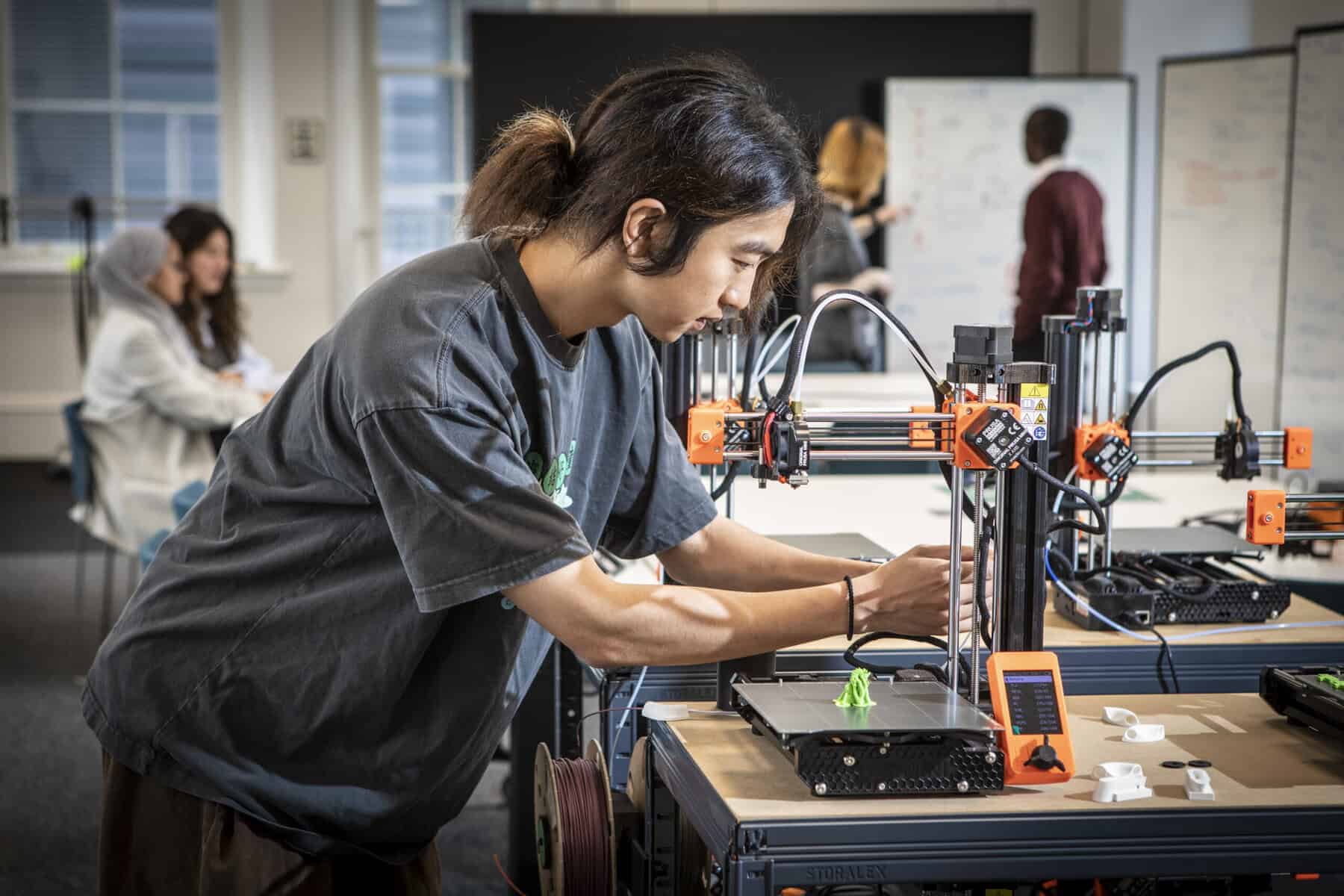
Collaboration is central to teaching at the Futures Institute. You’ll regularly work in small groups that bring together students from diverse backgrounds, disciplines, and locations. Our approach is designed to help you develop skills in communication, teamwork, and co-creation, skills you’ll use across sectors from creative industries to data science, policy, and beyond.
At Edinburgh Futures Institute, student life is anything but ordinary.
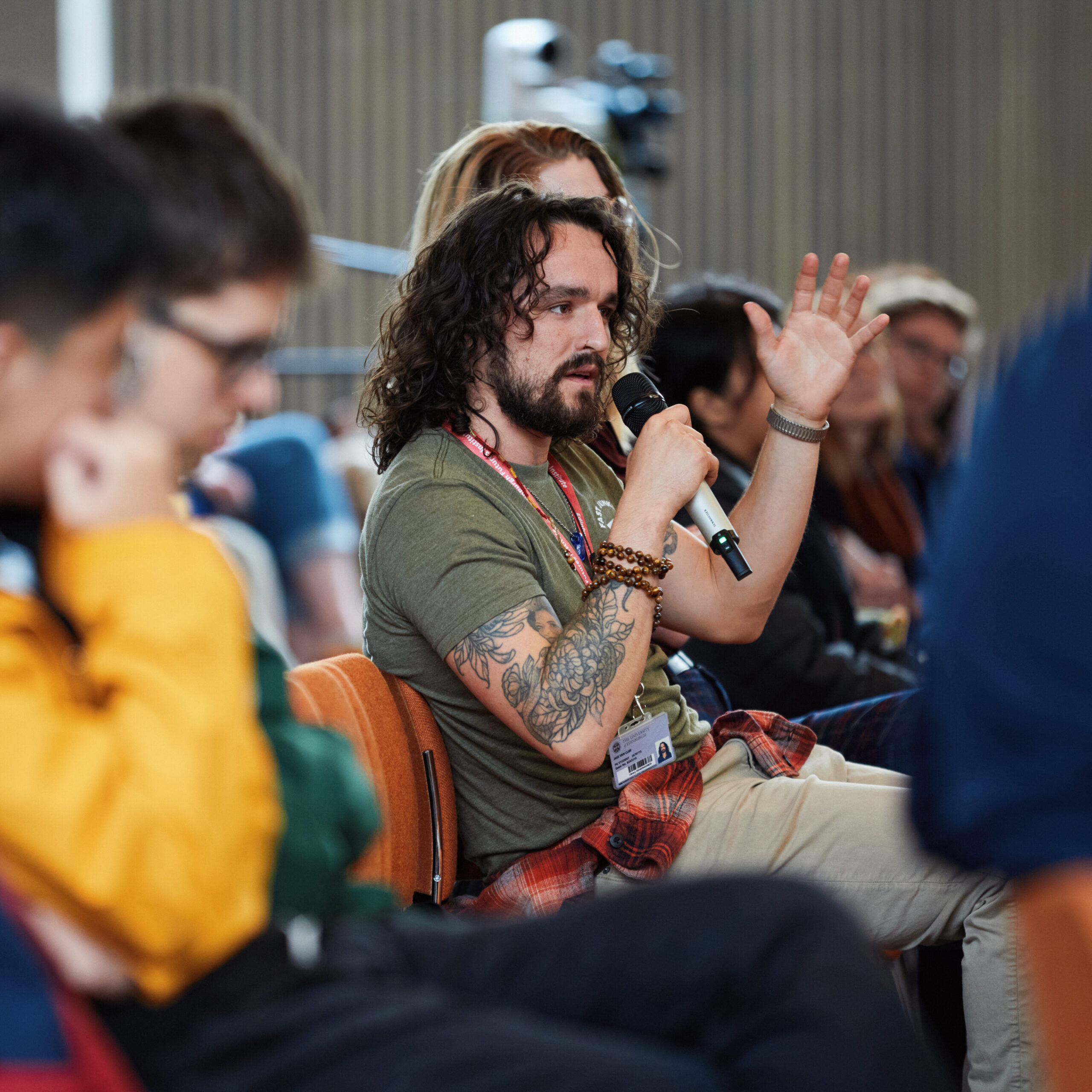
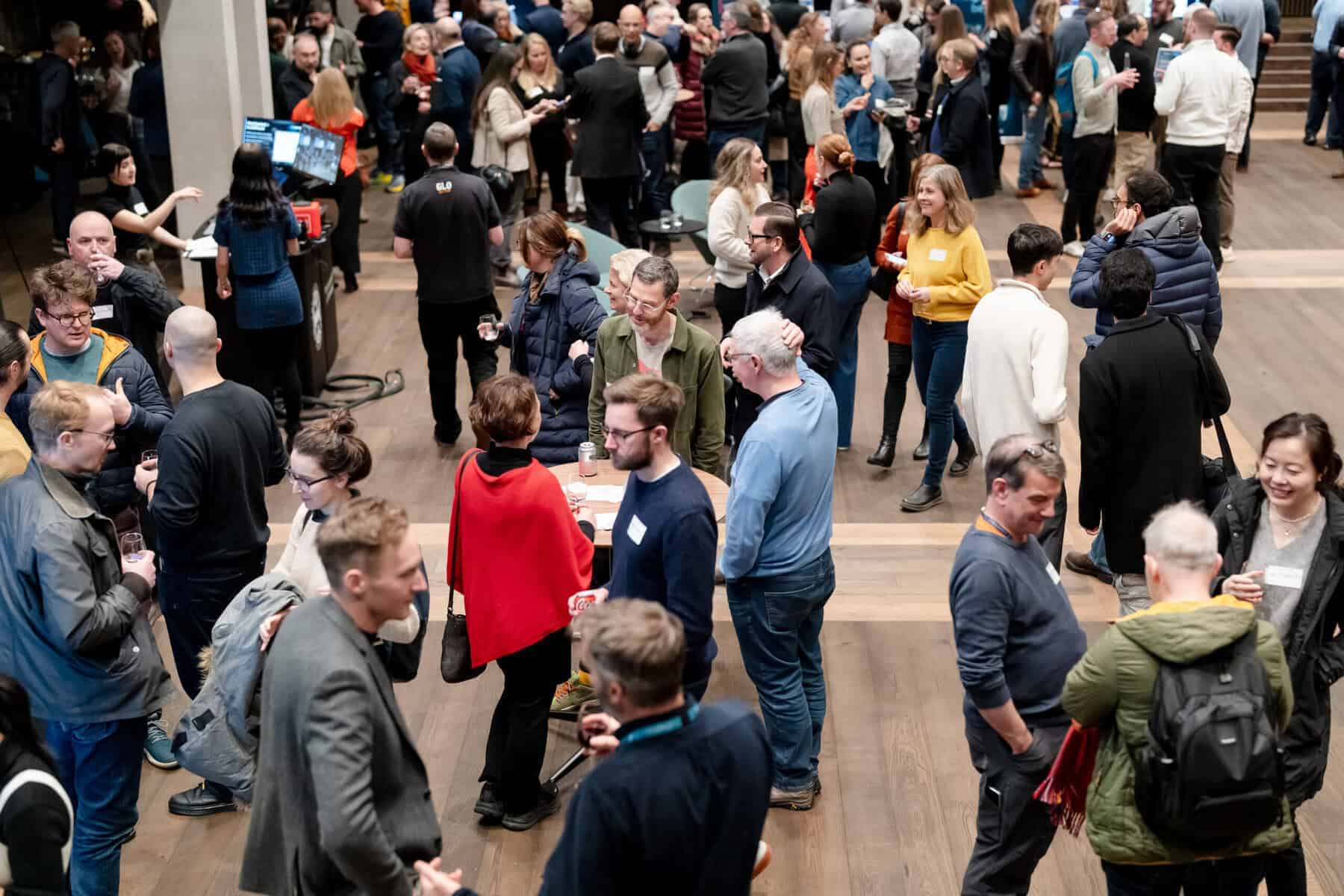
You’ll be part of a dynamic community where students aren’t just attending classes, they’re curating and attending events and workshops, creating media, launching initiatives, and getting stuck into real-world problems alongside academics, creatives, and local innovators. This is your space to experiment, to take risks, to build something new and be unapologetically yourself while doing it.
So bring your curiosity. Bring your creativity. Bring your big questions. We can’t wait to meet you.
Emma, Kirsty and Neneh, EFI Student Experience team







Top reasons to choose Edinburgh Futures Institute
We know there’s a lot of options for postgraduate study out there.
Future focused skills
Develop the critical, creative and interdisciplinary skills needed to navigate complex challenges and evolving career paths.
Study at a world-leading University
Benefit from the University of Edinburgh’s global reputation, consistently ranked among the world’s top 50 universities (QS World University Rankings 2026)
Interdisciplinary learning
Work across disciplines, perspectives and approaches to explore complex issues in new ways, moving beyond traditional subject boundaries.
Real-world, project-based learning
Work on live projects, often in groups and in collaboration with external partners, to apply your learning in practical, real-world contexts.
Industry and external engagement
Engage with organisations beyond the University, gaining insight into professional contexts and building connections to support your future career.
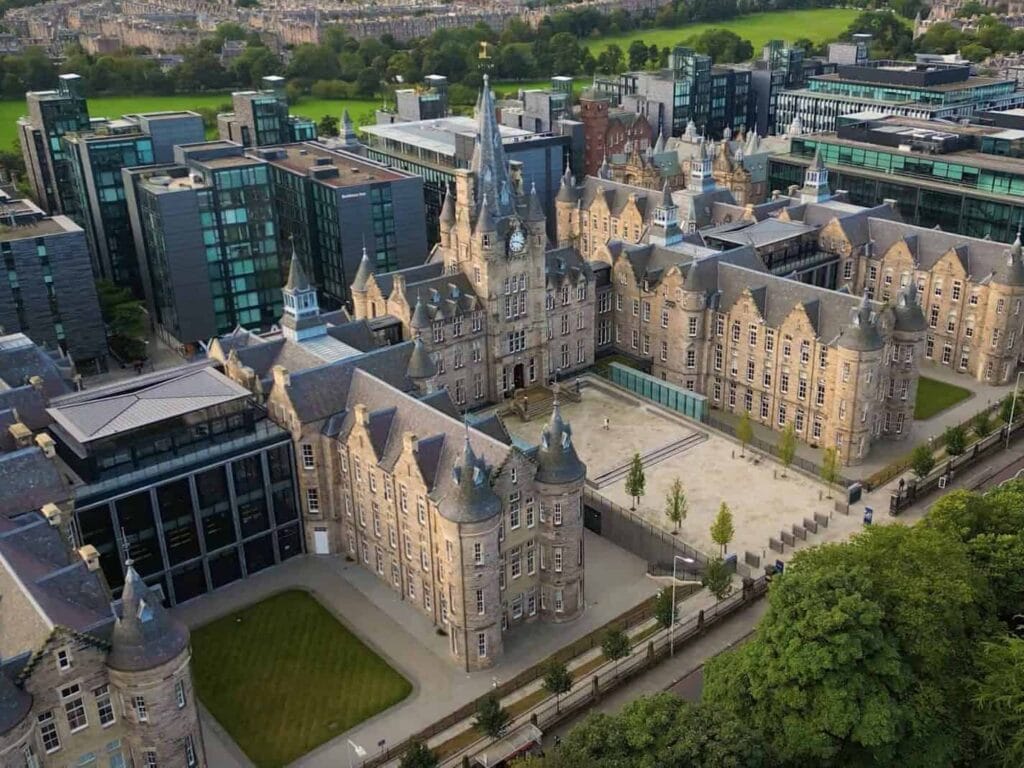
An award-winning campus
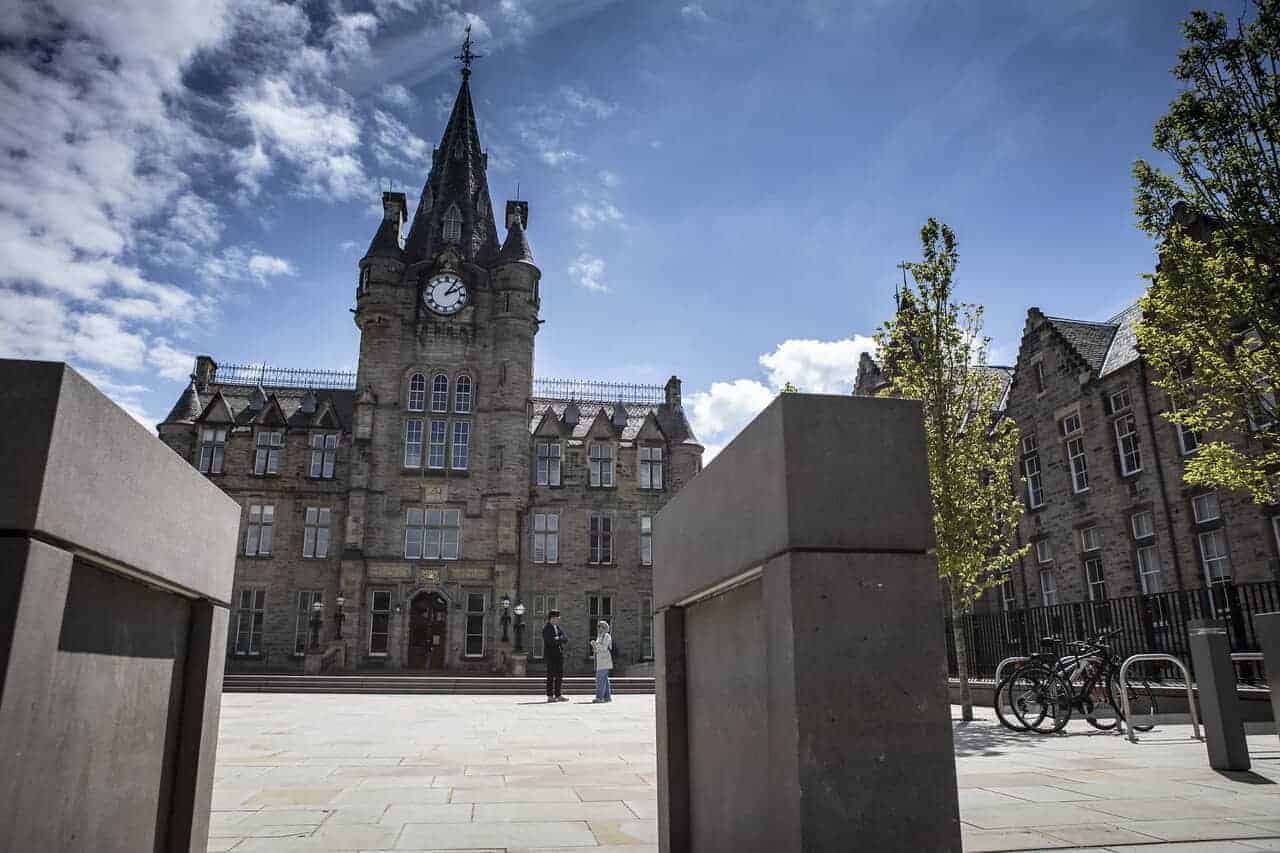
Study at one of the world’s most beautiful campuses, in one of the world’s leading universities, in one of the world’s top student cities.
Regularly voted one of the most desirable places to live in the world, Edinburgh is large enough to offer something for everyone but small enough to feel like home. It is a modern, sophisticated and beautiful European city, with a diverse multicultural community.
Student community and support
You’ll study alongside a diverse, international cohort in Edinburgh, bringing together perspectives from around the world, with all the support you need to thrive.
At Edinburgh Futures Institute, you will be supported throughout your studies by a network of academic staff.
Your Cohort Lead is your main academic contact, offering guidance on your programme, course choices, skills development, progress, and general academic support. They also provide drop-in sessions, 1:1 meetings, and share relevant updates and opportunities.
Your Course Organiser supports you with course-specific matters, including assessments, feedback, content, and learning outcomes.
You will also work with Tutors, Teaching Assistants, and Project Supervisors as part of your teaching and independent study.
Our student support and wellbeing team are here to help throughout your studies. When you enrol you are allocated a dedicated student advisor who is your first point of contact for questions or concerns and can offer advice on course choice and pastoral matters. You also have an academic cohort lead who meets with students in groups and leads on social and academic events within your programme.
At Edinburgh Futures Institute, we use a variety of platforms to enhance your learning experience and keep you connected.
Learn is our main hub for sharing files, course materials, and submitting assignments. Teams is used for online students joining classes and for facilitating group work. For collaborative projects and brainstorming we utilise Miro, which allows for dynamic group work and idea sharing.
The Learn platform also serves as the student community within programmes, where you can engage with your peers and instructors. For important information that remains consistent, such as policies, handbooks, and student representative details, we use the Student Intranet on SharePoint.
We support opportunities for students to share their skills, experiences, and interests, while learning from one another. Throughout the year we create space for informal knowledge-sharing, peer-led activities, and collaborative learning. Students are invited to contribute by sharing a skill, hosting a session, or helping to develop ideas that others may find valuable.
Activities may include informal workshops, group discussions, or student-led sessions on a wide range of topics, depending on the interests and involvement of participants.
University life and support services
Everything you need to prepare for life at Edinburgh, from planning where you’ll live to arranging your visa and getting involved in student life.

Accommodation
Explore catered or self-catered accommodation and private housing options for postgraduate students.

International students
Find out about visas, travelling to the UK and opportunities to work here during or after your studies.

Sports clubs and societies
Discover our clubs and societies, get ready to develop your interests, meet like-minded people, take up a hobby or socialise.

You’ll also have access to the wider University of Edinburgh’s support network including:
Student and alumni spotlights
Read about our our students and alumni’s inspiring achievements and stories.
 Blog
Blog
Graphical House fosters creative learning through live industry collaboration
Brand and design consultancy, Graphical House, partnered with our MSc Creative Industries programme in AY 2025-2026, offering our students valuable insight into the realities of contemporary design consultancy.
 Blog
Blog
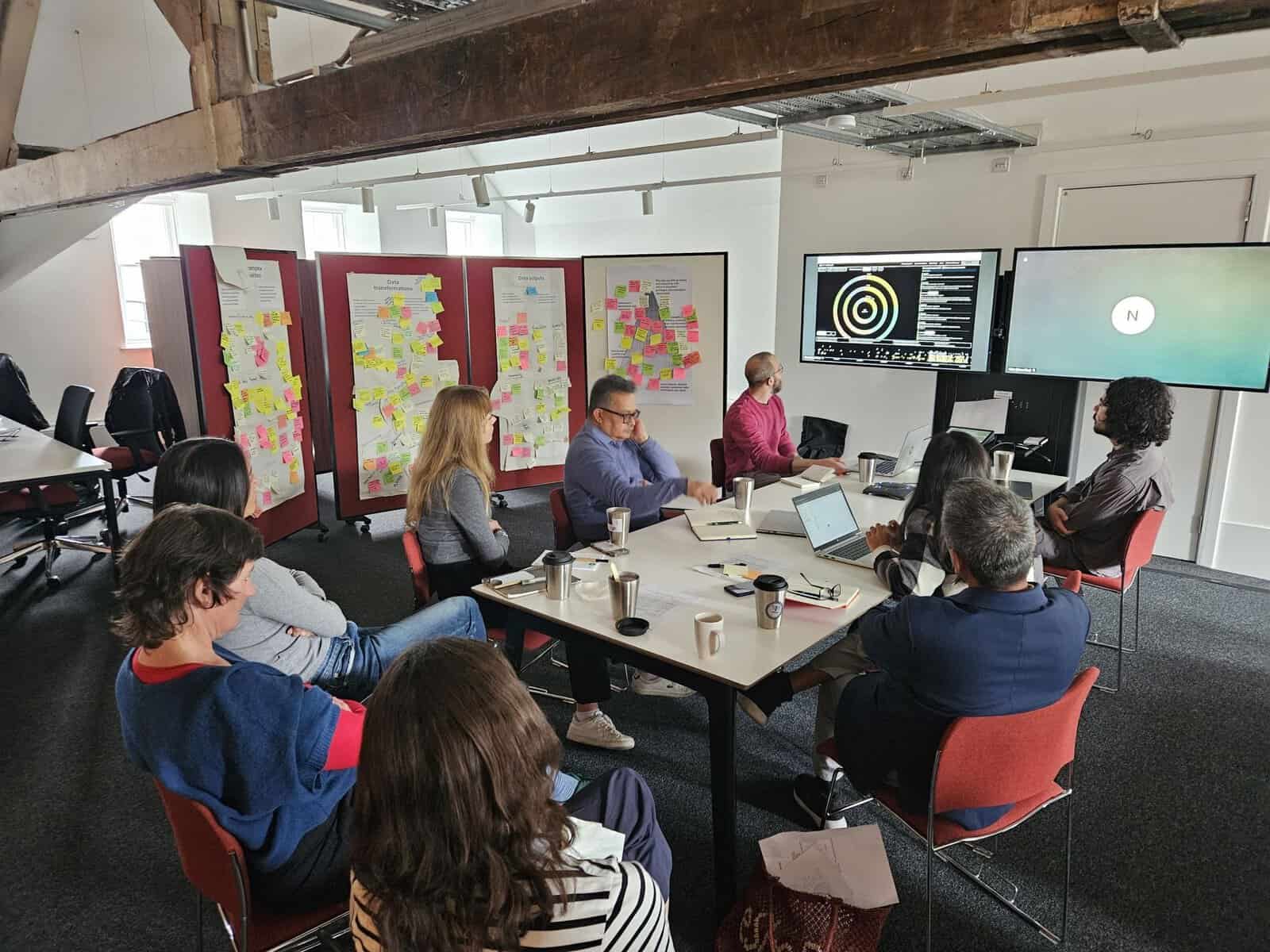
Driving circular economy innovation with Grand Bequest
Learn about our Student Partner Project with Grand Bequest, a property technology company that uses data analytics, conservation, and sustainability to promote the global redevelopment of vacant building.
 Blog
Blog
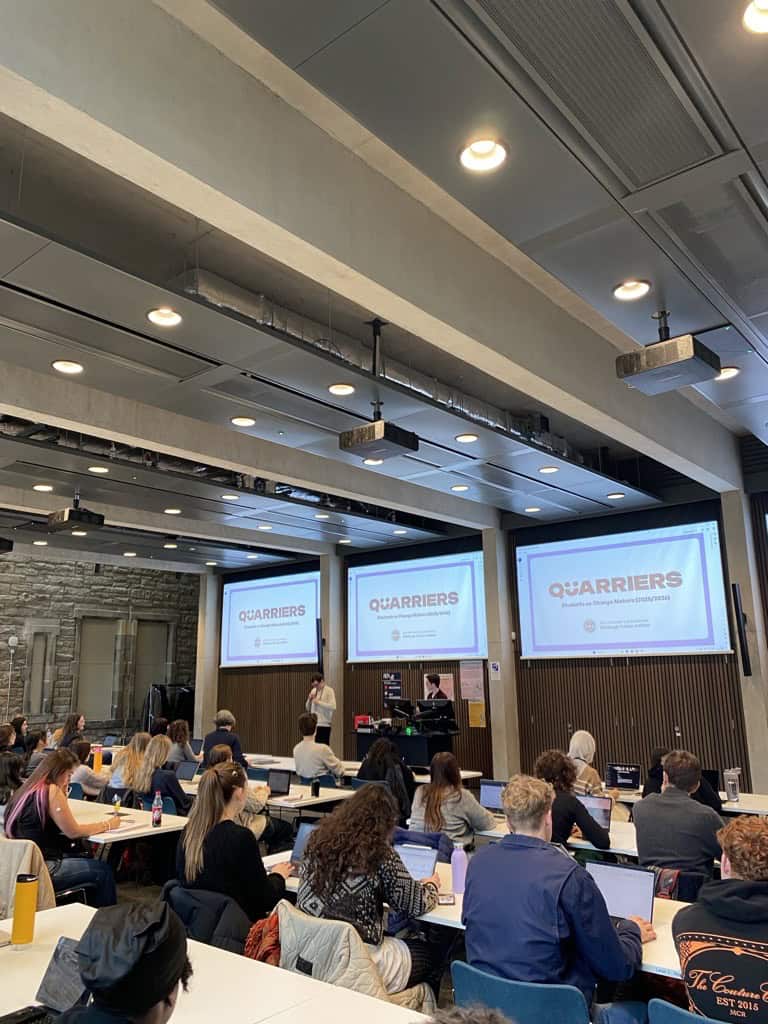
Reimagining Scotland’s energy future
A growing partnership between Scottish charity Quarriers and Edinburgh Futures Institute is demonstrating how third sector-student partnerships can bring fresh perspectives on the use of data to understand Scotland’s energy future.
 Blog
Blog
Student Spotlight: Beth Tianxin Xia (MSc Narrative Futures)
MSc Narrative Futures student, Beth Tianxin Xia, is one of three commissioned artists included in “Drawing the Line: An RAI Exhibition” at City Arts – Nottingham
 Blog
Blog
Leveraging AI Ethically: Student partners with VisitScotland
How Edinburgh Futures Institute MSc student Chloe White is helping shape the future of visitor management in Scotland.
 Blog
Blog
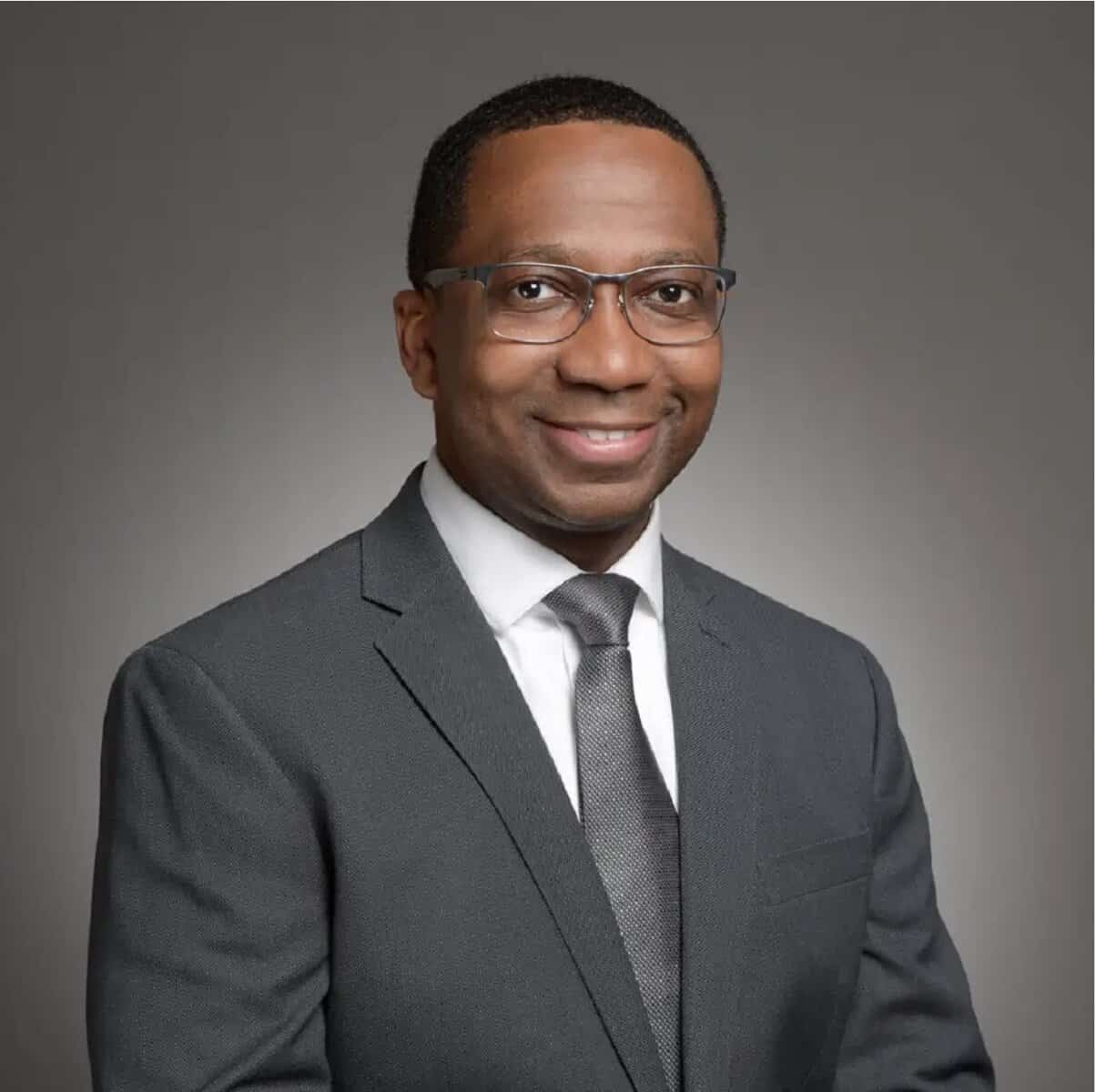
Innovating Together: Edinburgh Futures Institute Students Partner with Nesta
Edinburgh Futures Institute postgraduate students share their experience working with Nesta, UK’s innovation agency for social good, as a Futures Projects Partner.
 Blog
Blog
Student Spotlight: Walter Conwell, MD (MSc Narrative Futures)
MSc Narrative Futures student, Walter Conwell, MD, has been selected as a recipient of the Our Minds Scholarship for his powerful documentary project on Black American trauma
 Blog
Blog
Alumni Spotlight: Eloïse Gabadou, MSc Future Governance
Meet Eloïse Gabadou—a civic tech pro and AI governance researcher—who’s on a mission to make technology more democratic, ethical, and people-powered especially for her generation.
 Blog
Blog
Alumni Spotlight: Brigid McCormack, MSc Narrative Futures
Futures Institute alumni Brigid McCormack (MSc Narrative Futures) explored audio storytelling in the Appalachian region for her My Futures Project, “Pods and Prose.”
FAQs
Take a look at our most frequently asked questions
You may need a student visa to study on campus. To qualify for a visa, you must study full-time and in person for the full duration of your programme.
More information is available via the Student Immigration Service.
Yes. Each degree includes compulsory courses alongside a choice of electives, allowing you to shape your learning across EFI’s interdisciplinary portfolio. You will also select from the EFI Skills and Methods Suite, choosing courses that build on your existing experience or develop new capabilities in areas such as data, research and futures thinking.
You will be asked to choose your courses as part of the pre-arrival process, ahead of the start of teaching. We will contact you with guidance on your options and how to select courses that fit your programme and interests. Your personalised timetable will then be confirmed once teaching begins.
A 20-credit course typically requires around 200 hours of study, including live teaching, group work, self-directed study, and assessment.
Group work is an important part of EFI’s learning experience, reflecting our interdisciplinary, collaborative ethos. You’ll work with classmates from a range of professional and academic backgrounds. Group tasks are built into many courses and are designed to help you learn from different perspectives and build practical skills in communication and teamwork.
We really hope you’ll join us in September 2026
Key dates to look out for:
| Welcome week information | Mid-August |
| Course choices | Mid- August |
When you join Edinburgh Futures Institute, you’ll have the opportunity to choose from a wide range of exciting electives as part of your degree.
We’ll contact you in August with guidance to help you make confident, informed choices about your courses.