
- This event has passed.
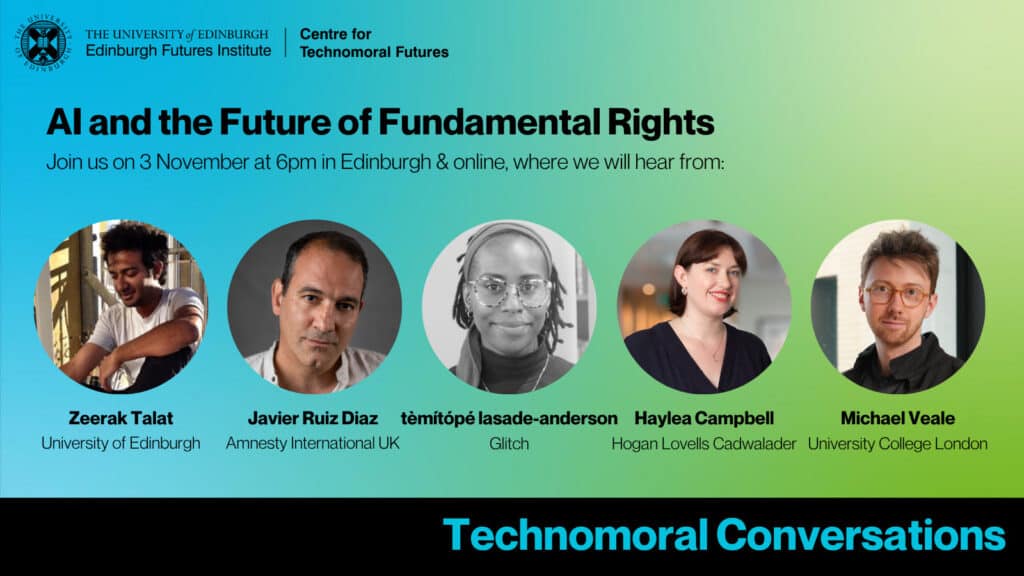
Future University: Work and the Next Economy of Knowledge
18th September 6:00 PM – 7:15 PM BST
Artificial intelligence is transforming the world of work, but its impact is not predetermined. As new technologies reshape professions, workplaces, and career paths, universities face profound questions about the knowledge, skills, and values they should cultivate in future generations. How can higher education prepare people not only to adapt to technological change, but to shape it? In this closing conversation, Sarah O’Connor draws on her reporting and research into the changing nature of work to explore what makes work meaningful, what risks we face as technology becomes more deeply embedded in everyday life, and what role universities should play in building a more human-centred economy.
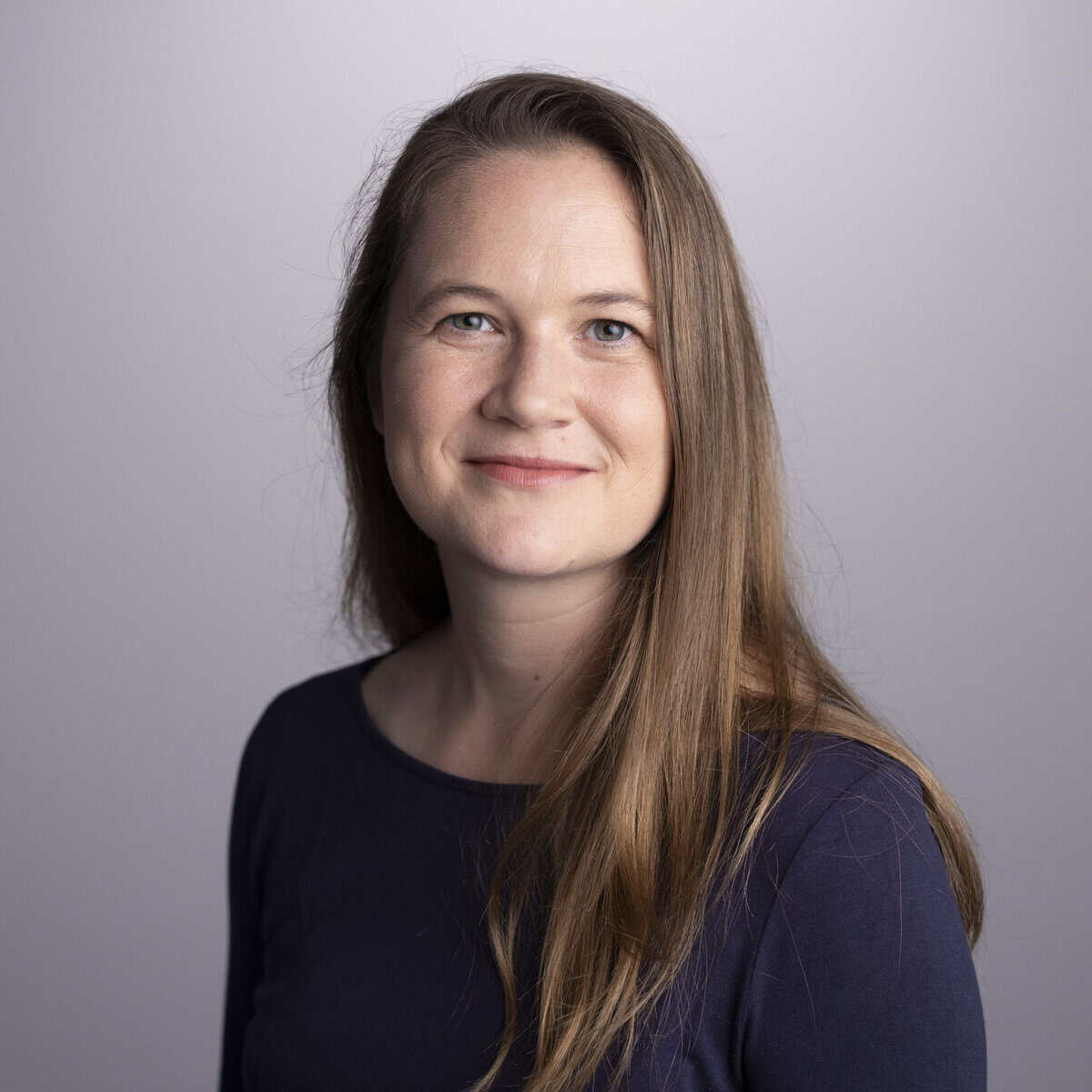
Sarah O’Connor is a columnist, reporter and associate editor at the Financial Times. She writes a weekly column focused on the world of work, as well as longer features and investigations. She has won the Orwell Prize for Exposing Britain’s Social Evils, the Wincott Award for financial journalism, Business Commentator of the Year at the Comment Awards, Financial/Economic story of the year at the Foreign Press Awards and Business and Finance Journalist of the year at the British Press Awards.
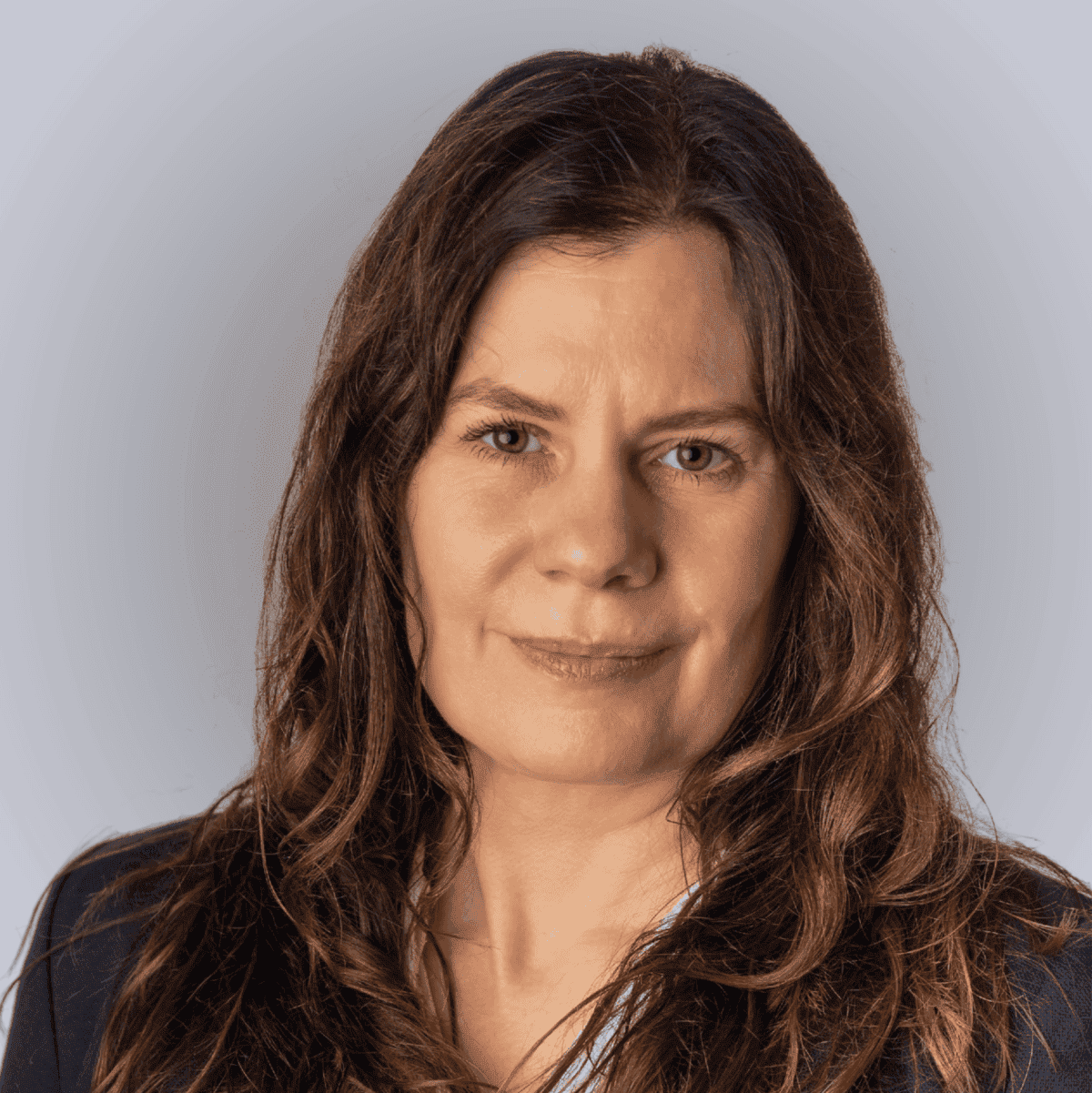
Marion Thain comes to Edinburgh Futures Institute from her role as Professor of Culture and Technology at King’s College London, where she was Executive Dean of the Faculty of Arts and Humanities for 6 years. While at King’s she founded and led the Digital Futures Institute, which grew out of her Centre for Attention Studies. She began her career as a Junior Research Fellow at Cambridge University, and worked in English departments at Russell Group universities before moving to New York University as a professor of Arts and Literature (in English and the school of the interdisciplinary global liberal arts) and Director of Digital Humanities. She returned to the UK in 2018. Marion is interested particularly in the relationship between culture and technology (considering ‘technology’ in the broadest sense), and in formations of disciplinarity and interdisciplinarity. Details can be found at https://www.marionthain.org