
- This event has passed.
The Future of Research in an Age of AI
17th September 10:00 AM – 11:30 AM BST
Artificial intelligence is transforming how knowledge is produced, analysed, and shared across every discipline. From scientific discovery and creative practice to the humanities and social sciences, new tools are reshaping the research process and raising fundamental questions about expertise, evidence, and the future of scholarship. How might AI change what researchers do, how research is conducted, and what universities contribute to society? This panel will explore the opportunities, challenges, and responsibilities facing research institutions as they navigate a new era of knowledge creation.
Speaker Biographies
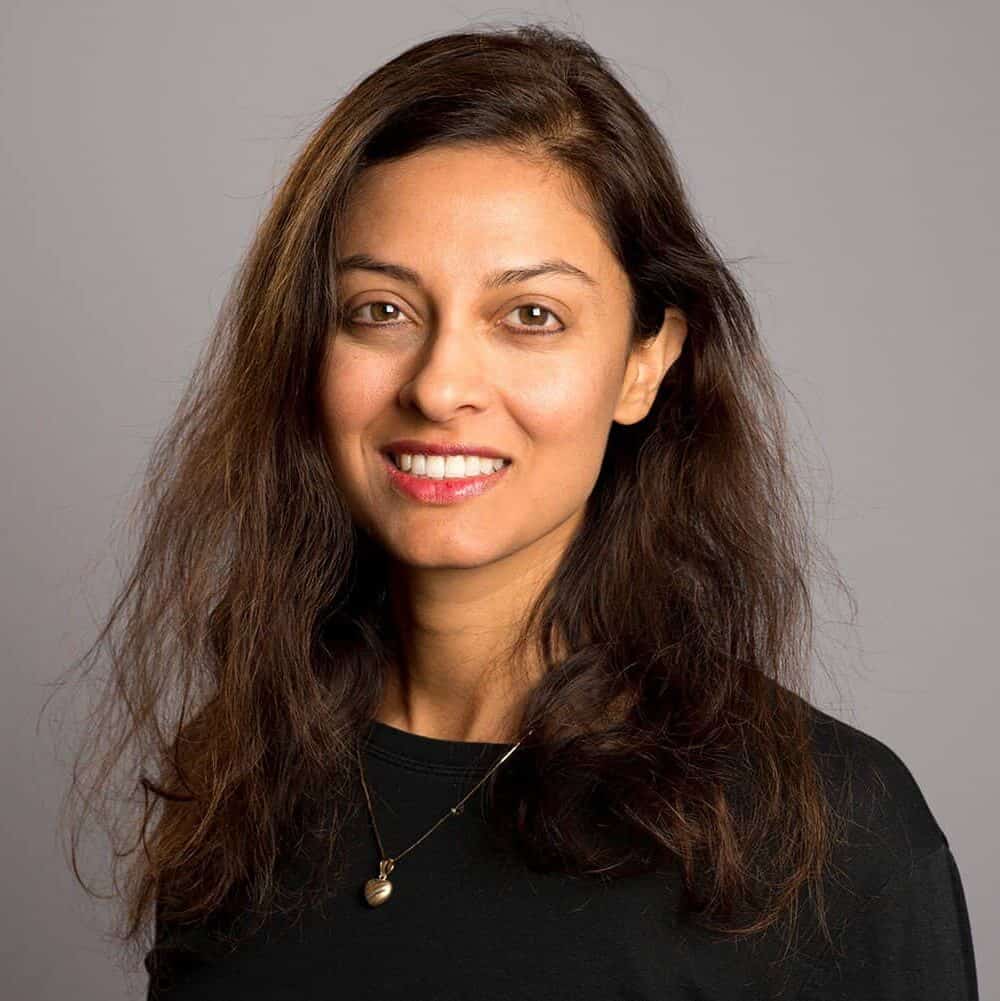
Devi Sridhar is a writer, broadcaster and world-leading expert in public health and wellbeing. She is Professor and Chair of Global Public Health at the University of Edinburgh and has advised the WHO, UNICEF, UNESCO and the Scottish, UK and German governments. Devi appears regularly on ITV and Channel 4 News, has a bi-weekly column in the Guardian, and a certified Level 3 Personal Trainer. Her first popular book, Preventable, was a BBC Radio 4 Book of the Week and a Sunday Times bestseller. Her latest book How Not to Die (Too Soon)’ was a Financial Times Book of the Year in 2025.
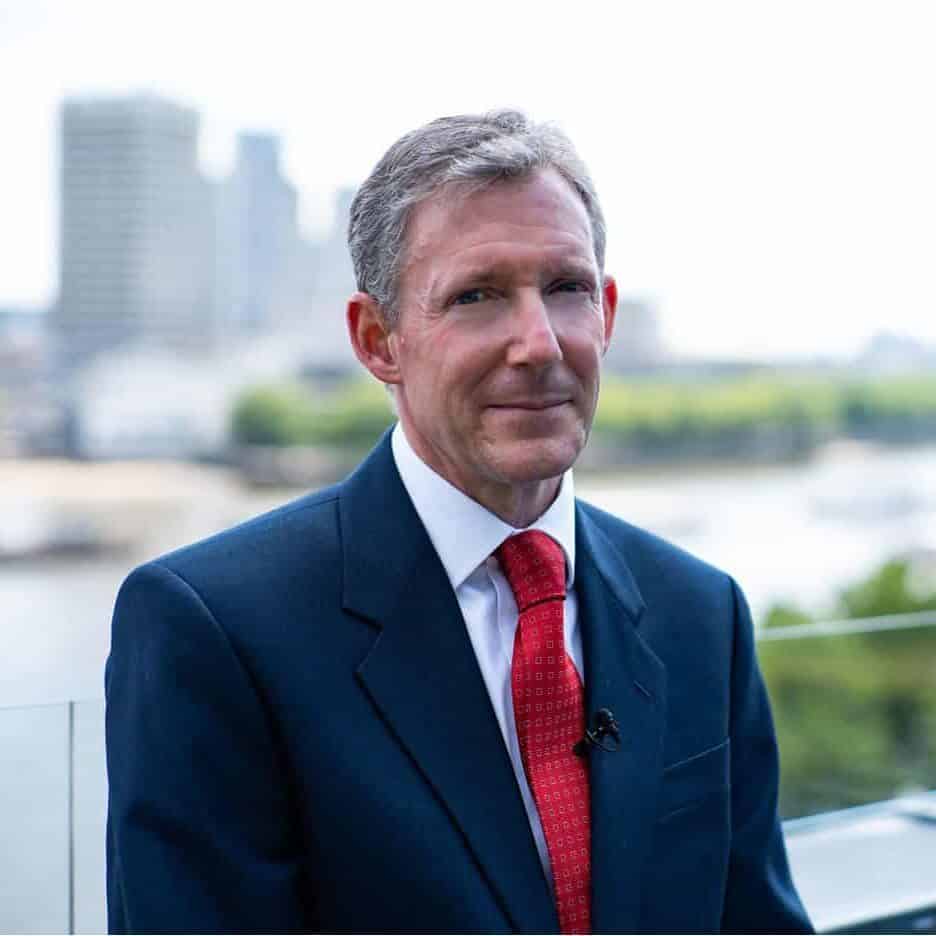
Professor Christopher Smith is the Executive Chair of the Arts and Humanities Research Council (AHRC), UKRI International Champion and Creative Industries Responsible owner UK Research and Innovation (UKRI). He has been involved across his career in culture, heritage and the arts in Scotland, Italy and globally. He has been Professor of Ancient History at the University of St Andrews since 2002, and was also Vice-Principal (2007-2009), before being seconded as Director of the British School at Rome, the UK’s leading humanities and creative arts research institute overseas, from 2009 to 2017. In 2025 he was appointed as the Chair of the Board of the National Library of Scotland (NLS). He is the author or editor of over 20 books from textual editions to museum studies. He is a Fellow of the Royal Society of Arts and a Member of the Academia Europaea.
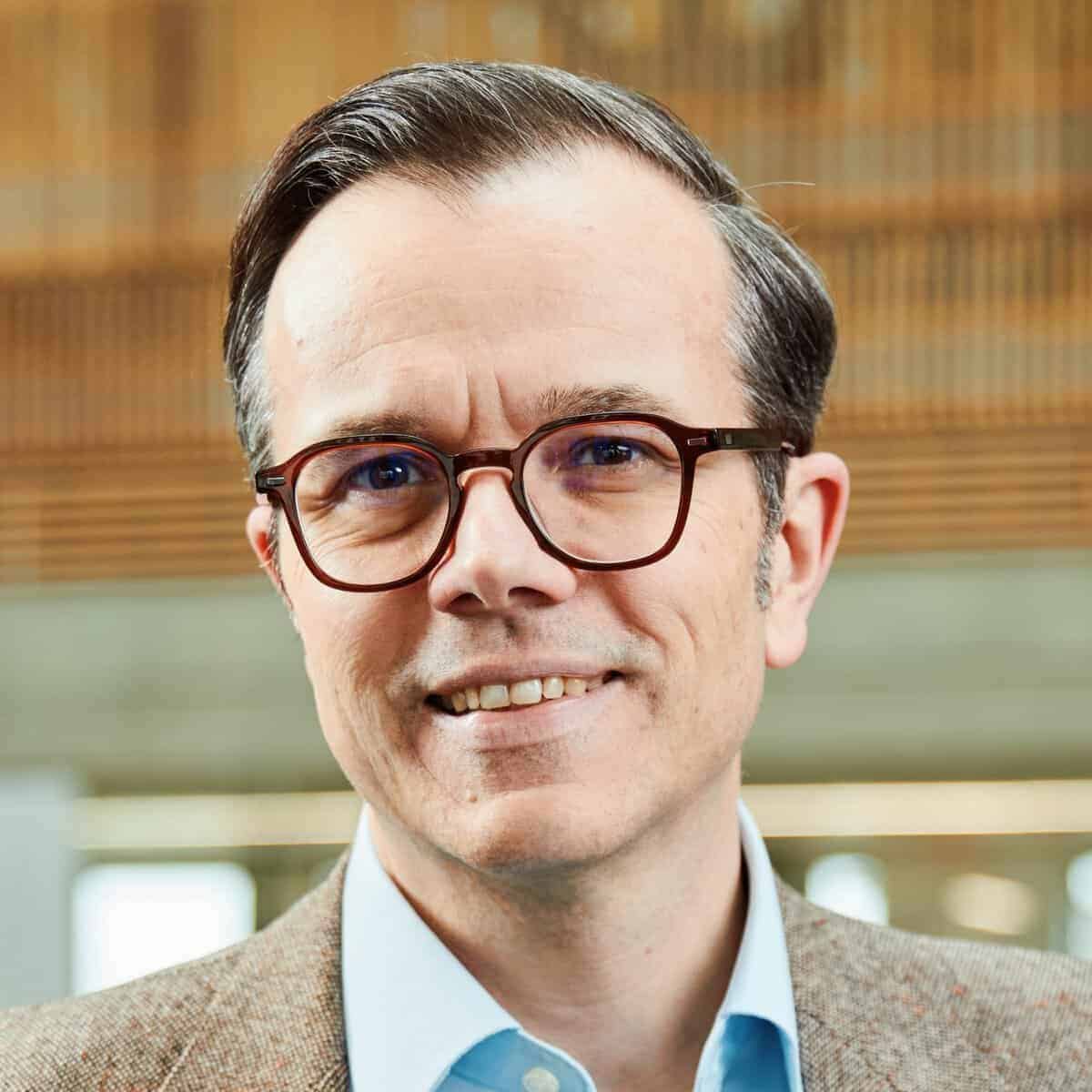
Michael Rovatsos is Dean of Research and Innovation at the College of Science and Engineering and Professor of Artificial Intelligence at the School of Informatics. He has previously held key leadership roles at the University as Director of The Bayes Centre, Deputy Vice Principal for AI, and institutional lead on AI adoption. He currently serves on the Scottish Government’s Tech Council, the Board of The Data Lab and acts as academic University liaison at the Alan Turing Institute. He has over 25 years of experience in AI research, where he develops to support collaboration between human and/or artificial agents. He has published over 100 scientific articles on various topics in AI, and has been involved in research and innovation projects that have received over £20 million of external funding.
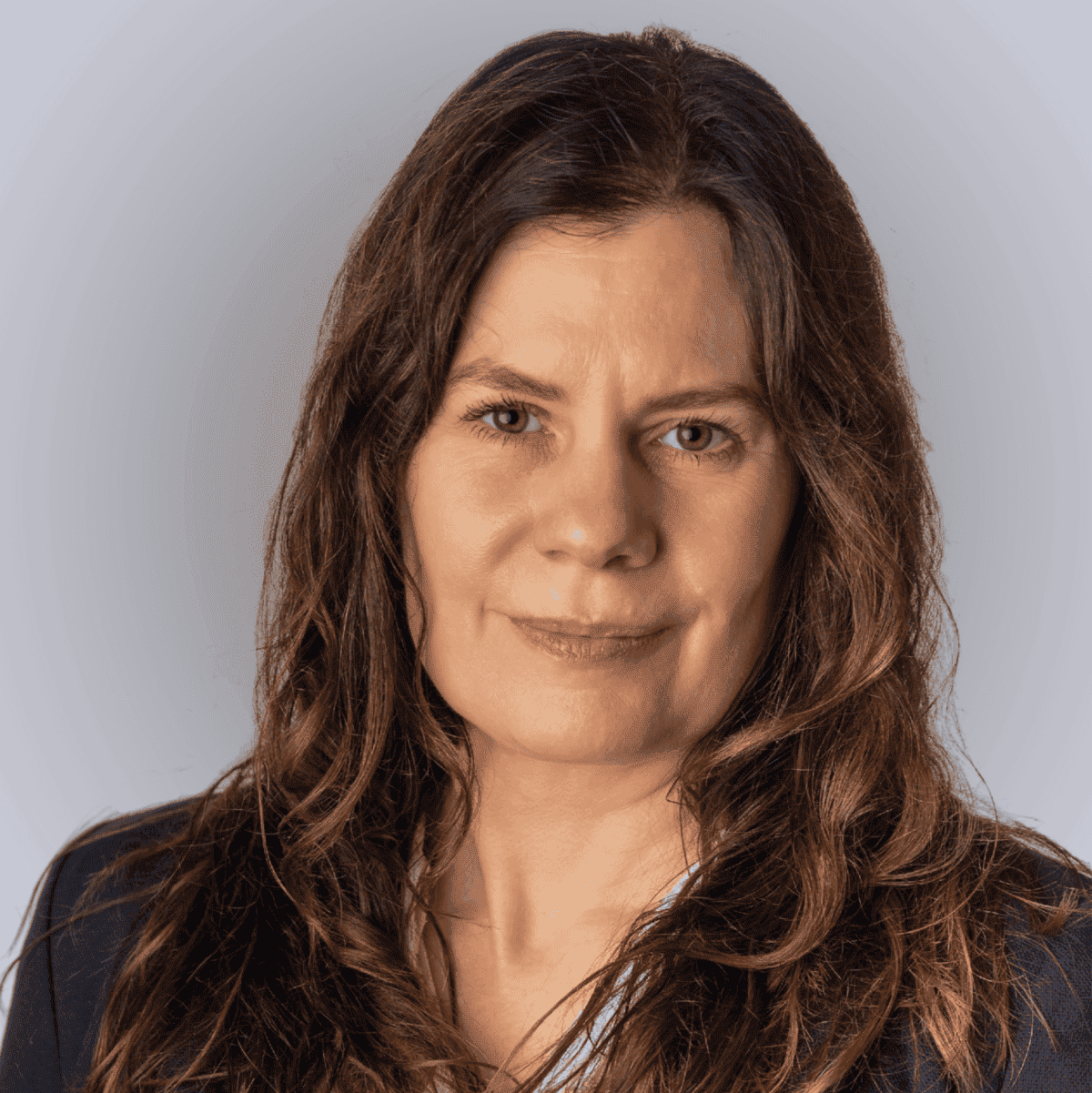
Marion Thain comes to Edinburgh Futures Institute from her role as Professor of Culture and Technology at King’s College London, where she was Executive Dean of the Faculty of Arts and Humanities for 6 years. While at King’s she founded and led the Digital Futures Institute, which grew out of her Centre for Attention Studies. She began her career as a Junior Research Fellow at Cambridge University, and worked in English departments at Russell Group universities before moving to New York University as a professor of Arts and Literature (in English and the school of the interdisciplinary global liberal arts) and Director of Digital Humanities. She returned to the UK in 2018. Marion is interested particularly in the relationship between culture and technology (considering ‘technology’ in the broadest sense), and in formations of disciplinarity and interdisciplinarity. Details can be found at https://www.marionthain.org